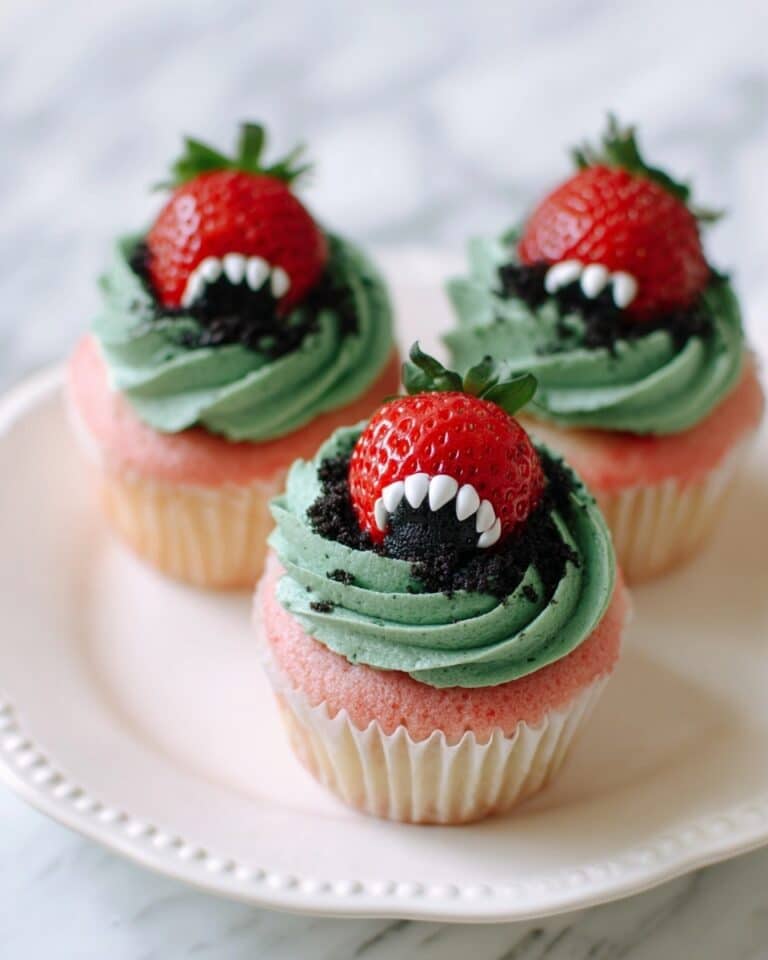
Vanilla Cake Recipe
If you’ve been hunting for the ultimate, soft, and irresistibly fluffy Vanilla Cake Recipe, I’m so glad you found your way here. This cake has honestly become my go-to when I want something classic but totally foolproof. It’s tender, moist, and bursting with comforting vanilla flavor that makes every forkful feel like a warm hug. Stick with me, and I’ll share my best tips so you can nail it perfectly — your friends and family will be asking for seconds, guaranteed!
Why This Recipe Works
- Balanced Fat & Liquid Ratio: The blend of butter and oil keeps this cake super moist without being greasy.
- Gentle Folding Technique: Prevents over-developing gluten, giving you that melt-in-your-mouth softness.
- Real Buttermilk: Adds a subtle tang and tender crumb that homemade substitutes just can’t quite match.
- Classic Vanilla Flavor: Using quality vanilla extract makes all the difference – pure, simple joy in every bite.

Ingredients & Why They Work
The magic of this Vanilla Cake Recipe really lies in how the ingredients come together. I love the combination of all-purpose flour and cornstarch for a soft crumb, while the mix of butter and oil ensures it stays moist longer. Don’t skimp on real buttermilk here—it’s a game-changer for flavor and texture. Oh, and always use room temperature eggs and butter for the best blending results.
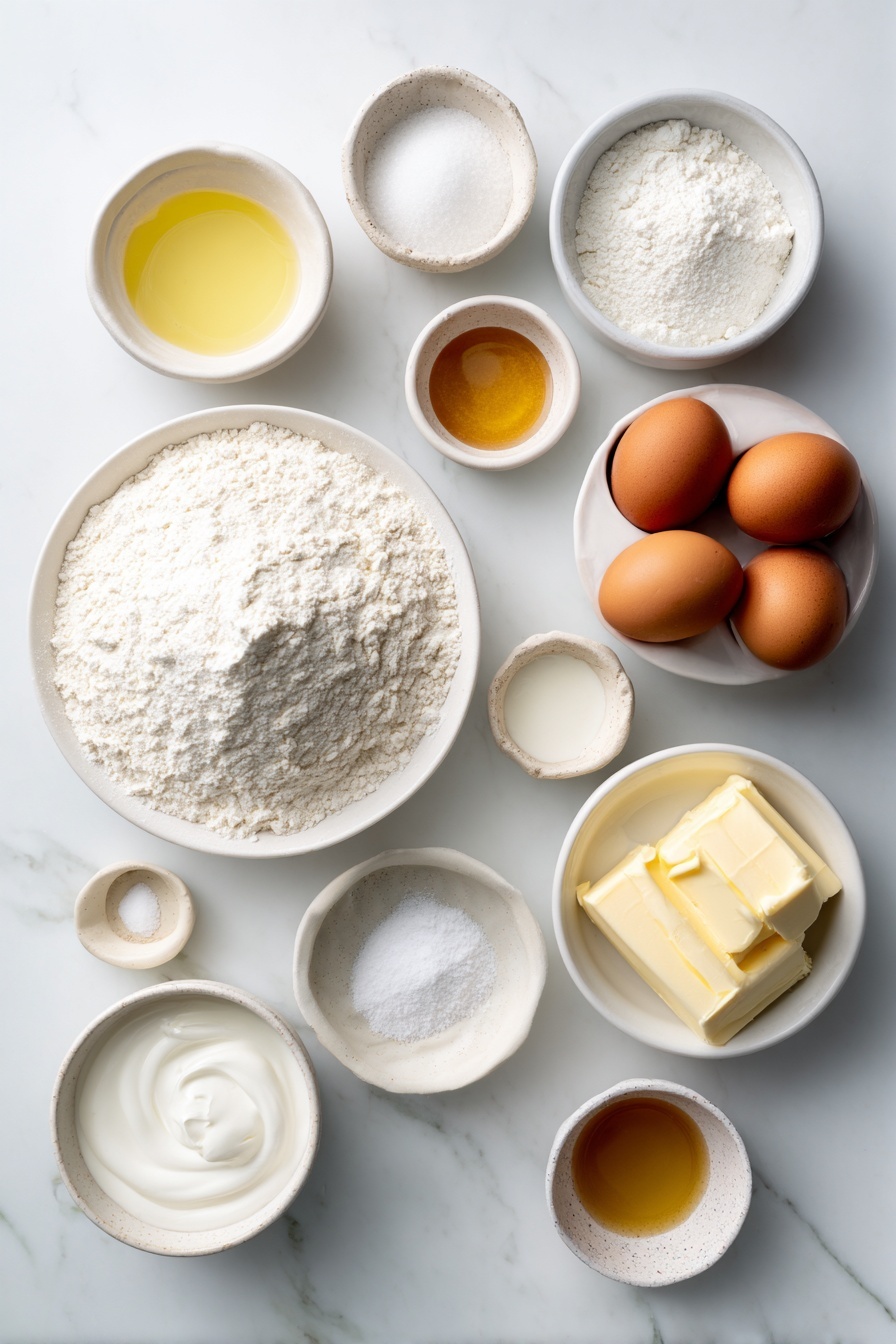
- All-purpose flour: Provides the structure for the cake; if you want a softer texture, you can swap for cake flour as noted in the recipe.
- Cornstarch: Helps to lighten the flour’s protein content, leading to a more tender crumb.
- Baking soda & baking powder: Work together to give your cake a perfect rise and delicate crumb.
- Salt: Enhances all the sweet flavors and balances the vanilla.
- Unsalted butter: Adds richness without extra salt—you control the seasoning better this way.
- Vegetable oil: Keeps the cake moist and soft, even after a couple of days.
- White granulated sugar: Sweetens the cake and helps with structure; make sure to measure precisely.
- Large eggs: Bind everything together and add moistness; room temperature works best for emulsification.
- Vanilla extract: The star flavor in this Vanilla Cake Recipe; I recommend a good quality pure vanilla extract.
- White vinegar: Reacts with the baking soda to aid leavening and adds subtle tenderness.
- Buttermilk: Tenderizes the crumb and adds a subtle tang, making the cake uniquely soft and flavorful.
- For the Frosting (Unsalted butter, powdered sugar, vanilla, milk): Creamy buttercream that complements the cake without overwhelming it.
Tweak to Your Taste
One of the things I love about this Vanilla Cake Recipe is how easy it is to make it your own. Whether you want to dial down the sweetness, add a splash of almond extract for a twist, or turn it into cupcakes, this recipe is super adaptable. Don’t be shy about tweaking it — I’ve found some of my favorite versions started as little experiments!
- Almond Vanilla Swap: I sometimes replace half the vanilla extract with almond extract for an extra nutty note—my family flips for it.
- Less Sweet Frosting: If you prefer a less sugary finish, switching from this American-style buttercream to a Swiss meringue works wonders.
- Gluten-Free: Using a 1-to-1 gluten-free baking flour blend can work, but I recommend adding a bit of xanthan gum for structure.
- Mini Cakes or Cupcakes: Perfect for parties—just reduce baking time to about 15–20 minutes and keep an eye on them.
Step-by-Step: How I Make Vanilla Cake Recipe
Step 1: Get Your Oven and Pans Ready
First off, preheat your oven to 165°C (330°F) with the fan on if you have that feature—it helps the cake bake evenly and attain the perfect crumb. If your oven doesn’t have a fan, just crank it up to 175°C (347°F). Meanwhile, grease and line two 8-inch cake pans. I highly recommend using a homemade cake release spray or parchment paper to prevent any sticking—it saves a major headache later!
Step 2: Mix Your Dry Ingredients
In a medium bowl, sift together the flour, cornstarch, baking soda, baking powder, and salt. If you don’t have a sifter, just whisk thoroughly to combine. This ensures your leavening agents are evenly distributed and prevents lumps, which is key for a light cake.
Step 3: Cream Butter, Oil, and Sugar
In a large bowl, use an electric mixer to cream together the softened butter, vegetable oil, and granulated sugar for about 2 minutes until light and fluffy. This step is where your cake’s softness begins—don’t rush, as it incorporates air that helps it rise beautifully.
Step 4: Add Eggs and Vanilla
Now, add the eggs one at a time, beating well after each addition. This helps create a smooth batter and prevents curdling. Next, stir in the vanilla extract and white vinegar along with half a cup of buttermilk—this builds your batter’s moisture and flavor layers.
Step 5: Combine Dry and Wet Ingredients Carefully
This part is where patience pays off. Add half of the dry mix to your wet ingredients and gently fold with a spatula until just combined—don’t overmix or you’ll risk a dense cake. Next fold in the remaining buttermilk, then finish by folding in the rest of your dry ingredients. The batter will be smooth and glossy when ready; stop as soon as everything is combined.
Step 6: Bake and Cool
Divide your batter evenly between the two pans, smooth the tops, and bake for about 30 minutes. You’ll know it’s done when a toothpick inserted in the center comes out clean or with just a few crumbs. Let the cakes cool in their pans for 15-20 minutes before transferring to a wire rack to cool completely—frosting warm cake is a rookie mistake that’ll melt your icing.
Step 7: Whip Up That Vanilla Buttercream
While the cake cools, grab a stand mixer and combine the softened butter, powdered sugar, vanilla extract, and milk. Start mixing on low to avoid a sugar cloud, then crank it up to medium-high for 10 minutes, scraping the sides halfway through. This long whip time gives you a fluffy, creamy buttercream that isn’t overly sweet—a perfect partner for your cake.
Pro Tips for Making Vanilla Cake Recipe
- Use Room Temperature Ingredients: I always take my eggs and butter out about an hour before baking for better mixing and fluffier texture.
- Don’t Overmix Batter: Mixing just until combined keeps the cake tender and light—I learned this the hard way after a dense cake disaster!
- Check Your Oven Temp: Oven temperatures vary, so I recommend using an oven thermometer to avoid over or under-baking.
- Cool Completely Before Frosting: Patience is key; frosting warm cake? It’s a slip I’ve made and it’s a mess. Wait for it to cool fully!
How to Serve Vanilla Cake Recipe
Garnishes
I love topping this vanilla cake with fresh berries—strawberries and blueberries add a pop of color and a pleasant tartness that cuts through the sweet buttercream. Sometimes, I dust the top lightly with powdered sugar or add edible flowers when serving for a little wow factor that guests always notice.
Side Dishes
Pair a slice with a cup of freshly brewed coffee or a warm cup of tea in the afternoon. For brunches, I love serving it alongside whipped cream and a fruit compote. It’s an easy way to turn this simple cake into a memorable dessert spread.
Creative Ways to Present
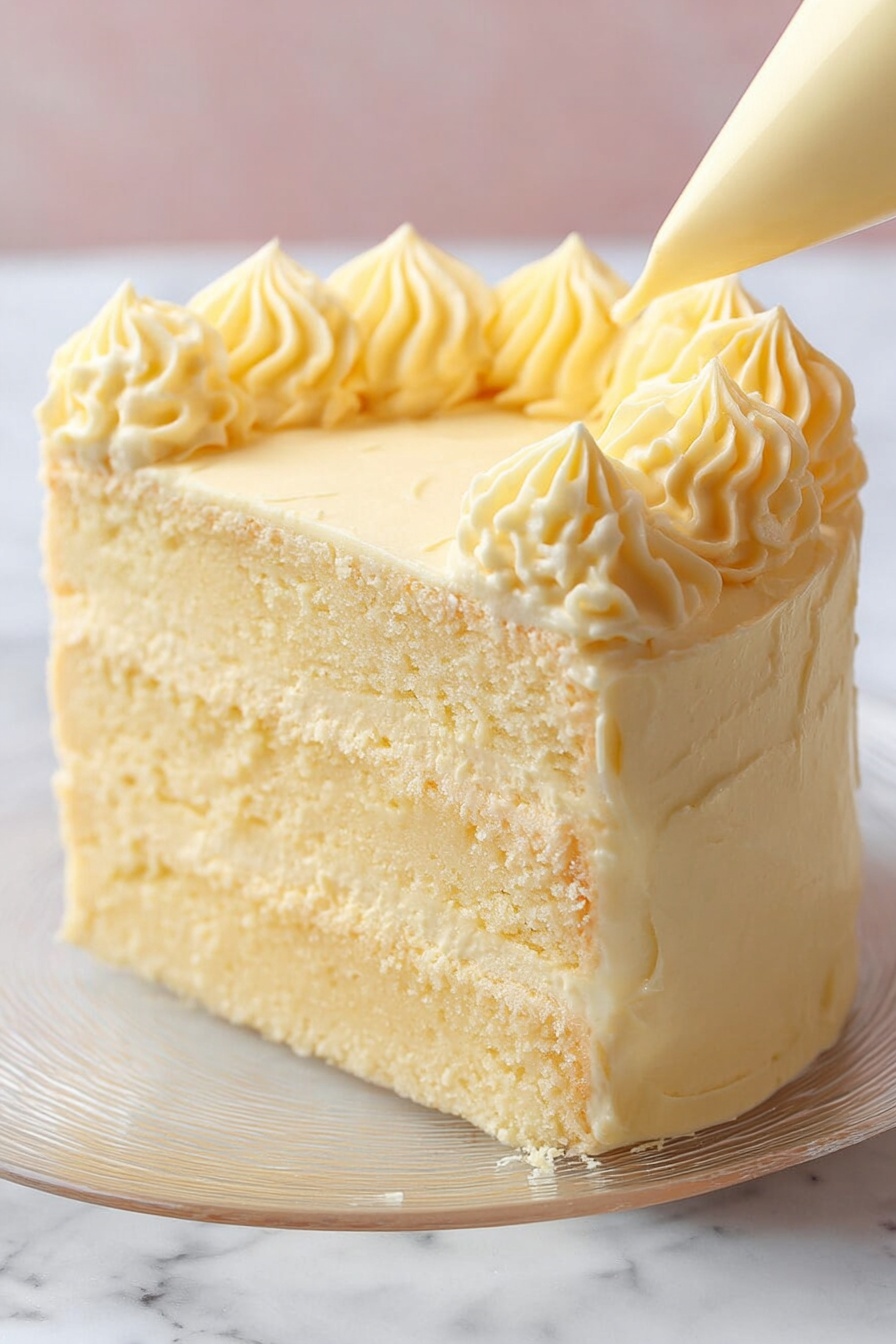
For celebrations, I’ve layered this cake with alternating vanilla buttercream and jam or chocolate ganache for contrast. You can also shave some chocolate curls over the top or pipe delicate rosettes with the buttercream edges to make it extra special. Serving individual mini cakes or stacking cupcakes with this batter is another fun twist I’ve tried.
Make Ahead and Storage
Storing Leftovers
Once frosted, I store the cake in an airtight cake carrier or container in the fridge. It keeps well for about 3-4 days, and I always bring it to room temperature before serving so it tastes freshly made. Wrapping leftover slices tightly with cling film also helps keep moisture locked in.
Freezing
This cake freezes beautifully—especially the unfrosted layers. I wrap each layer tightly in plastic wrap and then foil, placing them in the freezer for up to 3 months. On the day you want to eat it, thaw in the fridge overnight and frost as usual. This little trick saves time when you want a fresh homemade cake without the stress.
Reheating
If you have leftover slices, warming them slightly in the microwave (about 10-15 seconds) before eating really revives the moisture and flavor. Just be careful not to overdo it or the cake can dry out.
FAQs
-
Can I use cake flour instead of all-purpose flour in this Vanilla Cake Recipe?
Absolutely! You can substitute the all-purpose flour and cornstarch with 325 grams of cake flour for a softer crumb. Just remember cake flour has less protein, so it lends an even more delicate texture to your vanilla cake.
-
Why is buttermilk important, and can I use a substitute?
Buttermilk provides acidity that reacts with the baking soda, helping your cake rise and stay tender. It also adds a subtle tang that balances the sweetness. While a homemade substitute (milk with vinegar or lemon juice) can work, I find the store-bought version — thicker and creamier — gives a noticeably better texture, especially since this recipe uses so much buttermilk.
-
How do I avoid a dry vanilla cake?
Use the correct ratio of fat to liquid ingredients and don’t overbake. Also, be gentle when folding in the flour to avoid overworking gluten. Lastly, storing the cake properly in an airtight container helps maintain moisture.
-
Can I make this recipe into cupcakes?
Yes! Just fill cupcake liners about two-thirds full and reduce the baking time to 15-20 minutes. Keep an eye on them by doing the toothpick test early, since cupcakes bake faster than a whole cake.
-
What frosting pairs best with this Vanilla Cake Recipe?
The vanilla buttercream included with this recipe is a classic and hits just the right sweetness level. For a lighter option, Swiss meringue or French buttercream works beautifully, especially if you want to let the vanilla cake’s flavor shine through more subtly.
Final Thoughts
Honestly, this Vanilla Cake Recipe holds a special place in my heart—it’s the cake I make when I want to impress without stress. Its softness, buttery notes, and that real homemade vanilla flavor always feel like a little celebration. I hope you give it a try, and if you do, please come back and tell me how it turned out. Baking’s a love language, and this cake is one heck of a love letter!
Print
Vanilla Cake Recipe
- Prep Time: 10 minutes
- Cook Time: 30 minutes
- Total Time: 2 hours 10 minutes
- Yield: 12 servings
- Category: Dessert
- Method: Baking
- Cuisine: American
- Diet: Vegetarian
Description
A soft and tender vanilla cake made with a blend of all-purpose flour and cornstarch, enhanced with buttermilk and a touch of vinegar for extra moisture and tenderness. This cake is paired with a smooth and creamy vanilla buttercream frosting, perfect for celebrations or any sweet craving.
Ingredients
Vanilla Cake
- 2¼ cups (300 g) all-purpose flour
- ¼ cup (25 g) cornstarch
- ½ tsp baking soda
- 1 tsp baking powder
- ½ tsp salt (omit if using salted butter)
- ½ cup (113 g) unsalted butter, room temperature
- ½ cup (105 g) unflavored vegetable oil (canola oil recommended)
- 1⅔ cups (332 g) white granulated sugar
- 3 large eggs, room temperature
- 1¼ tbsp vanilla essence/extract
- 1 tsp white vinegar
- 1½ cups (337 g) buttermilk, room temperature
Vanilla Buttercream Frosting
- 1½ cups (340 g) unsalted butter, room temperature
- 3 cups (375 g) powdered sugar (icing/confectioners’ sugar)
- 1½ tsp vanilla essence/extract
- 1½ tbsp milk (heavy cream or whipping cream acceptable)
Instructions
- Prepare Oven and Pans. Preheat the oven to 165 °C (330°F) with the fan on. Grease and/or line two 8-inch cake tins with your preferred method to prevent sticking.
- Mix Dry Ingredients. Sift together the all-purpose flour, cornstarch, baking soda, baking powder, and salt in a large bowl. Whisk to combine evenly and set aside.
- Cream Butter, Oil, and Sugar. In another bowl, using an electric mixer, cream the unsalted butter, vegetable oil, and sugar on medium speed for 2 minutes until the mixture is light and creamy.
- Add Eggs. Add the eggs one at a time to the creamed mixture, mixing well for 10-15 seconds between each addition to ensure full incorporation.
- Add Vanilla, Vinegar, and Buttermilk. Mix in the vanilla extract, white vinegar, and ½ cup of the buttermilk until well combined. Set the mixer aside after this step.
- Fold In Dry Ingredients and Remaining Buttermilk. Gently fold half of the dry ingredients into the wet mixture using a spatula until just combined. Then fold in 1 cup of the remaining buttermilk carefully. Finally, fold in the remaining dry ingredients until just combined. Be careful not to overmix.
- Bake the Cake. Distribute the batter evenly between the two prepared 8-inch cake tins. Bake in the preheated oven for 30 minutes or until a toothpick inserted into the center of the cakes comes out clean.
- Cool the Cakes. Let the cakes cool in their tins for 15-20 minutes. Then transfer them onto a wire rack to cool completely before frosting.
- Prepare the Buttercream Frosting. In the bowl of a stand mixer, combine the unsalted butter, powdered sugar, vanilla extract, and milk. Mix at lowest speed until combined (about 1 minute), then increase to medium-high and beat for 10 minutes. Scrape down the bowl halfway through mixing.
- Frost and Serve. Once the cake layers are completely cool, frost with the prepared vanilla buttercream or a frosting of your choice. Slice and serve.
Notes
- For a lighter texture, substitute the all-purpose flour and cornstarch with 325 g cake flour.
- When using a stand mixer, use the paddle attachment for the creaming step, but fold in the dry ingredients by hand to avoid overmixing.
- Gently folding the batter prevents excessive gluten development, resulting in a softer cake. Mix only until the flour strands disappear and the batter is uniform.
- This American-style buttercream is sweeter than European styles; for a less sweet alternative, consider Swiss meringue or French buttercream frosting.
- If your oven lacks a fan function, increase the baking temperature to 175°C (347°F) to ensure proper baking.
- Store-bought buttermilk is thicker than homemade substitutes. If using a homemade buttermilk substitute, reduce the amount to about 1¼ cups (275 g) for best results.
Nutrition
- Serving Size: 1 slice
- Calories: 410 kcal
- Sugar: 32 g
- Sodium: 150 mg
- Fat: 22 g
- Saturated Fat: 12 g
- Unsaturated Fat: 8 g
- Trans Fat: 0 g
- Carbohydrates: 48 g
- Fiber: 1 g
- Protein: 4 g
- Cholesterol: 70 mg