Thai Chicken Curry Soup Recipe
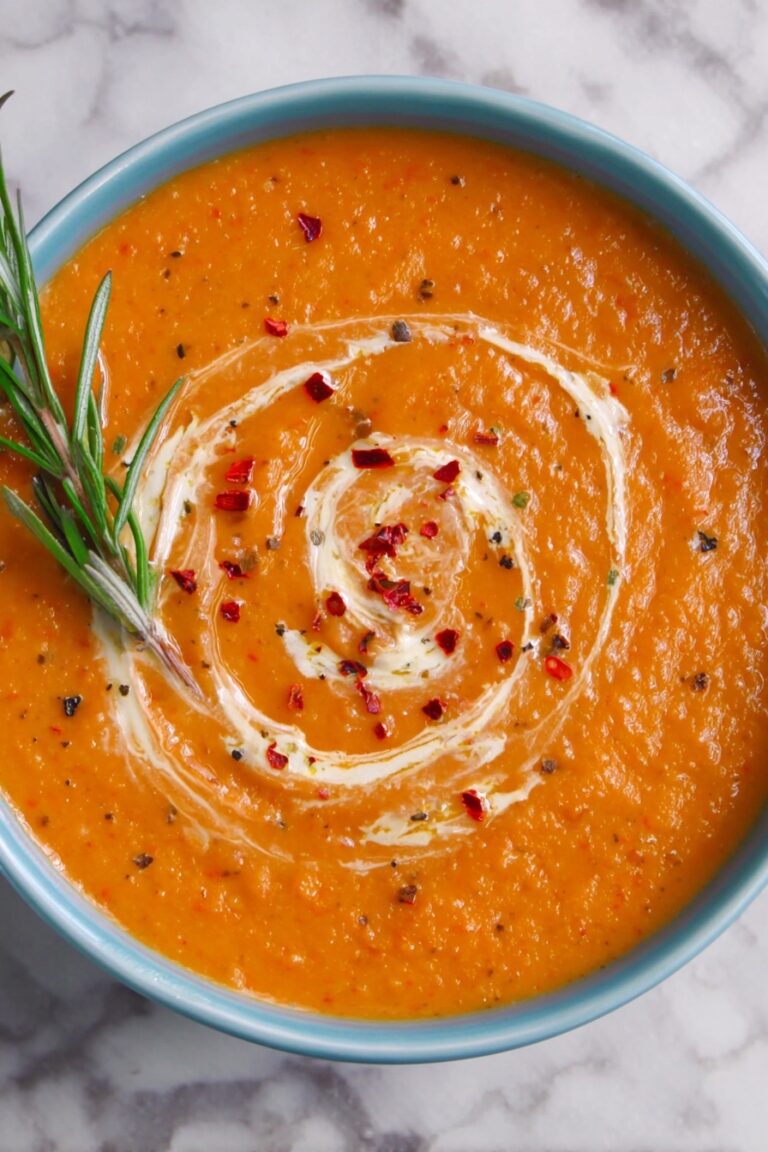
If you’re looking for a cozy, flavorful bowl that warms your soul and wakes up your taste buds, I have to share this Thai Chicken Curry Soup Recipe that’s absolutely fan-freaking-tastic. It blends creamy coconut milk, fragrant herbs, and just the right kick of Thai red curry paste into a comforting soup that’s surprisingly simple to make. I’ve made it countless times, and every spoonful feels like a little celebration—trust me, you’re going to want it in your weeknight rotation!
Why This Recipe Works
- Balanced Flavors: The creamy coconut milk, tangy lime, and spicy red curry paste create a perfectly harmonious taste you’ll crave again and again.
- Quick & Easy: In about 20 minutes tops, you’ve got a comforting meal that feels fancy but is actually super straightforward.
- Versatile Ingredients: Using shredded rotisserie chicken and rice noodles makes the soup feel hearty without a ton of fuss.
- Perfect For All Seasons: Light enough for spring, cozy for winter — this soup hits the spot year-round.

Ingredients & Why They Work
This Thai Chicken Curry Soup Recipe uses fresh aromatics and pantry staples that come together effortlessly. Each ingredient has its part to play—like the red curry paste kicking up spice without overwhelming, and the fresh herbs adding brightness just before serving. When shopping, look for fresh ginger and good quality curry paste; it really elevates the whole dish.
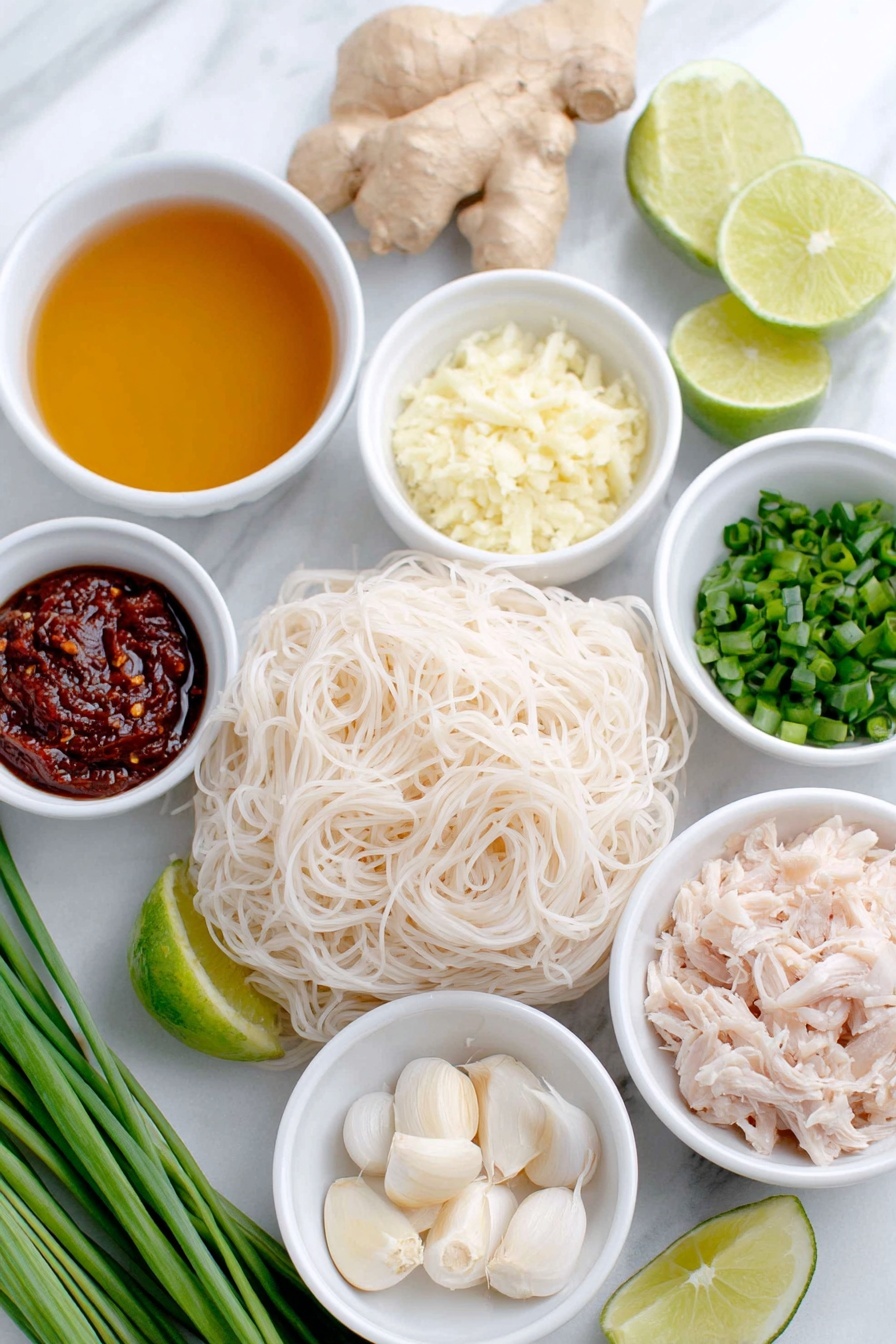
- Olive Oil: A light oil to sauté the aromatics; you want something neutral because the coconut milk will add richness later.
- Onion: Adds a sweet base flavor—chop finely so it melts into the broth nicely.
- Fresh Ginger: This zingy root brings warmth and a subtle kick—grate it fresh for best flavor.
- Garlic: Minced for that classic savory punch—fresh is always better here.
- Thai Red Curry Paste: This is your flavor superstar, giving the soup its bold color and spice; adjust according to your heat tolerance.
- Chicken or Vegetable Broth: The soup base—homemade or high-quality store-bought works great.
- Water: Balances out the broth so the flavors aren’t too intense.
- Lime Juice: Adds a refreshing tang that brings everything to life.
- Rice Noodles: I prefer thicker ones (about 3 mm) because they hold up better after simmering—plus they soak up the delicious broth.
- Coconut Milk: The creamy base that mellows the spice and makes the soup luxuriously smooth.
- Shredded Cooked Chicken: Rotisserie chicken is a time-saver and adds perfect savoriness.
- Fresh Basil: Torn basil leaves provide an herbal sweetness and that signature Thai flavor.
- Cilantro: Chopped for a bright, zesty finish.
- Scallions: Freshness and slight crunch right at the end.
- Salt & Pepper: To taste, because seasoning makes all the difference.
- Lime Wedges (optional): A little extra zing for serving.
Tweak to Your Taste
I love making this Thai Chicken Curry Soup Recipe my own depending on my mood or what I have on hand, and you should too! It’s forgiving and flexible, so don’t hesitate to play around with the heat level, textures, or even protein.
- Spice Level: I sometimes dial back the red curry paste for a milder soup if friends or kids are joining, or go for extra if I’m craving a real kick.
- Protein Swap: I’ve made it with shrimp or tofu instead of chicken, and it works beautifully—just adjust cooking times accordingly.
- Veggie Boost: Adding bell peppers, snap peas, or mushrooms can amp the soup’s nutrition and texture.
- Gluten-Free: Rice noodles make this naturally gluten-free, perfect if you or someone you’re serving needs that.
Step-by-Step: How I Make Thai Chicken Curry Soup Recipe
Step 1: Sauté the Aromatics Until Fragrant
Start by heating olive oil in a large pot over medium-high heat. Toss in the finely chopped onion and sauté for about 5 minutes, stirring occasionally. You want the onion soft and translucent but not browned—that sweetness sets the foundation. Then add freshly grated ginger, minced garlic, and the star player, Thai red curry paste. Stir constantly for about 30 seconds until it bursts with aroma. This quick step wakes up all those flavors.
Step 2: Build the Broth and Noodles
Pour in your chicken or vegetable broth along with water to balance the saltiness. Add the juice of one lime right now to start layering that bright acidity. Next, add the rice noodles straight into the pot. Increase the heat to high, and bring everything to a gentle boil. Watching the noodles cook in the broth allows them to absorb all those curry flavors, making every bite bursting with taste.
Step 3: Stir in Coconut Milk and Chicken
Once the noodles are tender, stir in the luscious full-fat coconut milk and your shredded cooked chicken. Reduce the heat to medium-low and let the soup gently simmer for about 10 minutes. This resting time lets the flavors meld beautifully—you’ll notice the aroma deepen and the texture perfect.
Step 4: Finish with Fresh Herbs and Seasoning
Right before serving, stir in torn fresh basil, chopped cilantro, and scallions. Toss in salt and pepper to adjust seasoning exactly to your liking. I always have lime wedges on the side so everyone can squeeze an extra hit of citrus if they want. Serve immediately, since the noodles soak up broth over time; if you reheat later, just add a splash more broth to loosen things up.
Pro Tips for Making Thai Chicken Curry Soup Recipe
- Prep While Cooking: I often chop the herbs while the soup simmers and prepare garlic and ginger during the onion sauté to save time.
- Choose the Right Noodles: Thicker rice noodles hold up better in leftover soup, I recommend 3 mm thickness if you can find them.
- Adjust Curry Paste Carefully: Some curry pastes can be really spicy—start with less, taste, then add more to avoid an overpowering heat.
- Reheat Gently: When reheating leftovers, add extra broth and warm slowly to keep the noodles tender and soup creamy.
How to Serve Thai Chicken Curry Soup Recipe
Garnishes
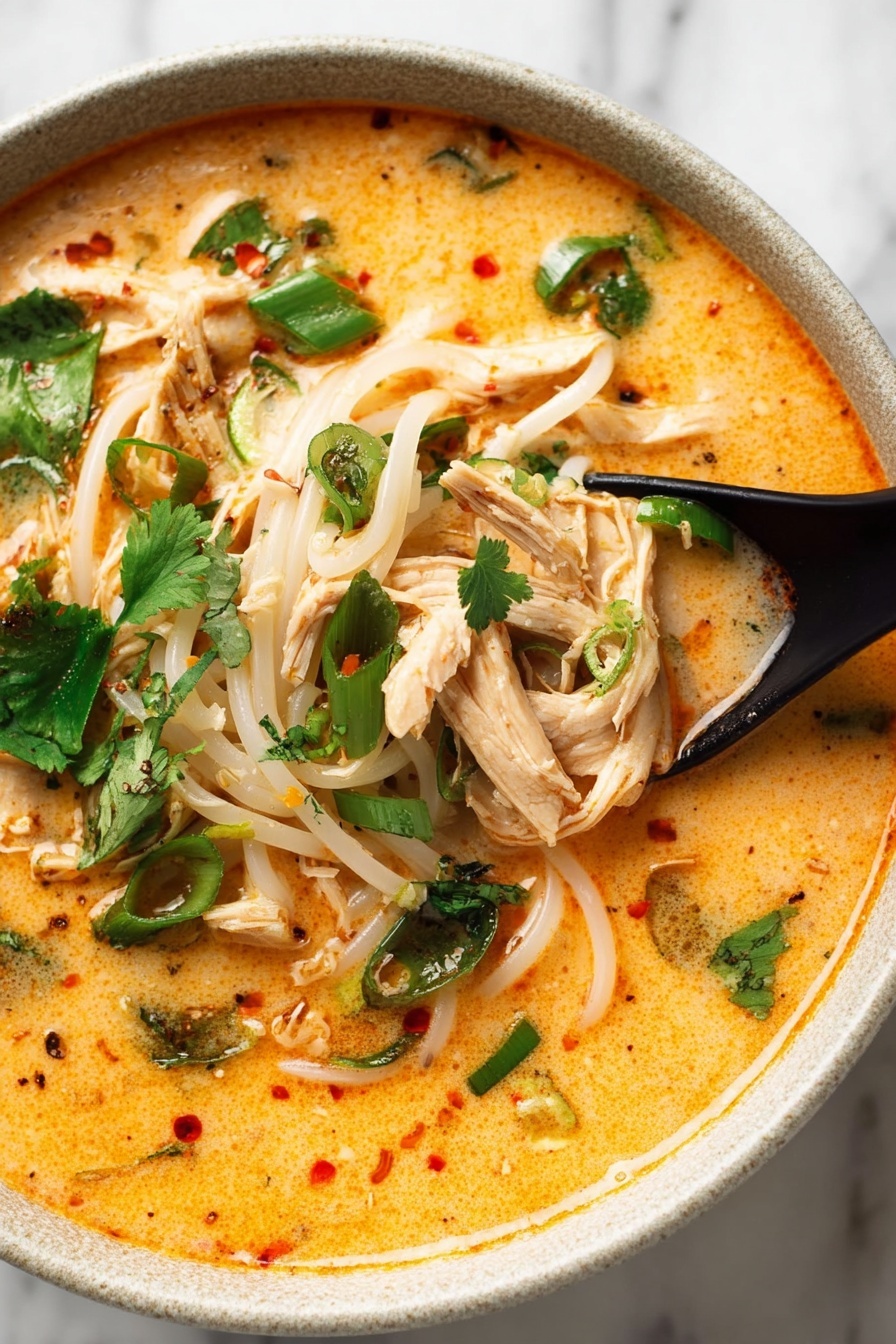
I like to top the soup with a handful of freshly torn basil and chopped cilantro—it adds such a fresh, vibrant contrast to the creamy curry. Bright green scallions provide a little crunch and subtle onion flavor. And of course, lime wedges on the side make it easy to add a final zing of citrus, which I find balances the richness beautifully.
Side Dishes
For sides, I often keep it simple—steamed jasmine rice or a light cucumber salad complements the flavors without competing. If I’m feeling adventurous, crisp spring rolls or a papaya salad bring extra texture and freshness to the table.
Creative Ways to Present
For special occasions, I’ve served this soup in small bowls with a scattering of crushed peanuts and a drizzle of chili oil on top to kick up both crunch and heat. Using edible flowers like Thai basil blossoms adds a gorgeous touch that always gets compliments—and makes dinner feel special without much extra work.
Make Ahead and Storage
Storing Leftovers
Leftover Thai Chicken Curry Soup stores beautifully in an airtight container in the fridge for about 3-4 days. Because the noodles soak up liquid, I usually store the soup with broth separated if possible or add an extra splash of broth or water before reheating.
Freezing
I’ve frozen this soup successfully, though I recommend freezing it without the rice noodles (add fresh noodles when reheating) to maintain the best texture. The broth, chicken, and curry flavor freeze well and make for a quick, satisfying meal later.
Reheating
Reheat gently on the stove over medium-low heat, adding extra chicken broth or water to loosen the soup if it’s thicken from absorbed noodles. Stir occasionally until warmed through. Avoid microwaving for long periods as the noodles can get mushy.
FAQs
-
Can I make this Thai Chicken Curry Soup Recipe vegan?
Absolutely! Just swap the chicken broth for vegetable broth and replace the shredded chicken with firm tofu or extra veggies like mushrooms and bell peppers. The coconut milk and curry paste still deliver that authentic rich flavor.
-
What if I can’t find Thai red curry paste?
You can often find Thai red curry paste in Asian grocery stores or larger supermarkets in the international aisle. If you can’t get your hands on it, you might try substituting with a mix of red chili paste and curry powder, but the flavor won’t be quite the same. Ordering online is also an easy option.
-
Can I use dried herbs instead of fresh basil and cilantro?
While fresh herbs definitely brighten the soup and add that final punch of flavor, in a pinch you can use dried herbs—just use a smaller amount and stir them in earlier during simmering to infuse their flavor.
-
How spicy is this Thai Chicken Curry Soup Recipe?
The heat level depends largely on the brand of red curry paste you use. Some are mild and more flavor-forward, while others pack a punch. I recommend starting with less curry paste and tasting as you go. You can always add more if you want more spice.
Final Thoughts
This Thai Chicken Curry Soup Recipe is one of my go-to comfort meals when I want dinner that’s quick, flavorful, and feels a little special. The balance of creamy coconut milk, spicy red curry, fragrant herbs, and tender chicken noodles hits all the right notes every time. If you try it, let yourself savor the process and the delicious results—you’ll soon see why it’s such a favorite in my kitchen (and hopefully soon, yours too!).
Print
Thai Chicken Curry Soup Recipe
- Prep Time: 10 minutes
- Cook Time: 15 minutes
- Total Time: 25 minutes
- Yield: 6 servings
- Category: Soup
- Method: Stovetop
- Cuisine: Thai
Description
This Easy Thai Chicken Curry Soup is a flavorful and comforting dish featuring a rich blend of Thai red curry paste, coconut milk, and fresh herbs, combined with tender shredded chicken and rice noodles. Perfect for a quick weeknight meal, this soup brings vibrant Thai flavors into a simple, satisfying bowl.
Ingredients
Main Ingredients
- 1 tablespoon olive oil
- 1/2 medium onion chopped finely
- 1 teaspoon grated fresh ginger
- 3 cloves garlic minced
- 4 heaping tablespoons Thai red curry paste
- 4 cups chicken or vegetable broth
- 2 cups water
- Juice of 1 lime
- 3.5 ounces uncooked rice noodles
- 1 (13.5 ounce) can full fat coconut milk
- 2 cups shredded cooked chicken (rotisserie recommended)
- Generous handful fresh basil torn
- Handful fresh cilantro chopped
- Chopped scallions to taste
- Salt & pepper to taste
- Lime wedges for serving (optional)
Instructions
- Sauté Aromatics: Add the olive oil and chopped onion to a large pot over medium-high heat. Cook for 5 minutes, stirring occasionally until the onion is softened and translucent.
- Add Ginger, Garlic, and Curry Paste: Stir in the grated fresh ginger, minced garlic, and Thai red curry paste. Cook for about 30 seconds until fragrant to release the flavors.
- Combine Broth, Water, Lime Juice, and Noodles: Pour in the chicken or vegetable broth, water, and fresh lime juice. Add the uncooked rice noodles. Increase the heat to high and bring the mixture to a gentle boil.
- Incorporate Coconut Milk and Chicken: Stir in the full-fat coconut milk and shredded cooked chicken. Lower the heat to medium-low and allow the soup to simmer uncovered for 10 minutes to meld the flavors and soften the noodles.
- Add Fresh Herbs and Season: Fold in the torn basil, chopped cilantro, and scallions. Season the soup with salt and pepper to taste. Adjust seasoning as needed.
- Serve: Serve the soup immediately with optional lime wedges on the side. Note that the noodles will continue to soak up liquid if left standing, so add additional broth when reheating leftovers.
Notes
- To save time, start sautéing the onion while prepping other ingredients and chop herbs while the soup simmers.
- Rice noodles vary in size and package quantity; adjust the amount you use accordingly. Thicker noodles (around 3 mm) work best for this soup.
- Thai red curry paste brands differ in spiciness. Use less paste if you prefer a milder soup or if your brand is very spicy.
- This recipe is featured in the Salt & Lavender: Everyday Essentials cookbook for more inspiration.
- When reheating leftovers, add more chicken broth to compensate for noodles absorbing soup liquid.
Nutrition
- Serving Size: 1 cup
- Calories: 280 kcal
- Sugar: 3 g
- Sodium: 550 mg
- Fat: 18 g
- Saturated Fat: 15 g
- Unsaturated Fat: 3 g
- Trans Fat: 0 g
- Carbohydrates: 15 g
- Fiber: 2 g
- Protein: 18 g
- Cholesterol: 45 mg