Korean Gochujang Meatballs Recipe
If you’re craving a dish that’s bursting with bold, spicy, and slightly sweet flavors, you’re in for a treat. This Korean Gochujang Meatballs Recipe is one I make whenever I want easy, comforting food with a serious flavor punch. The combination of tender beef meatballs glazed in a sticky gochujang-apricot sauce has become a go-to crowdpleaser in my kitchen — I promise, once you try this recipe, it’ll be a favorite in yours too!
Why This Recipe Works
- Balanced Flavors: The spicy kick of gochujang is perfectly mellowed by the sweetness of apricot preserves, creating a sauce that’s amazing without being overwhelming.
- Textural Contrast: Panko breadcrumbs keep the meatballs light and tender while pan-frying adds a gorgeous crust before finishing in the oven.
- Simple Prep: This recipe uses pantry staples and comes together quickly, making it accessible for busy weeknights or last-minute entertaining.
- Garnish Finish: Toasted sesame seeds and fresh green onions add freshness and a mild crunch, rounding out every bite.

Ingredients & Why They Work
I love how these ingredients work together — each one adds a little something special. When shopping, look for fresh ginger and quality gochujang paste, as both really elevate the flavor of this Korean Gochujang Meatballs Recipe.
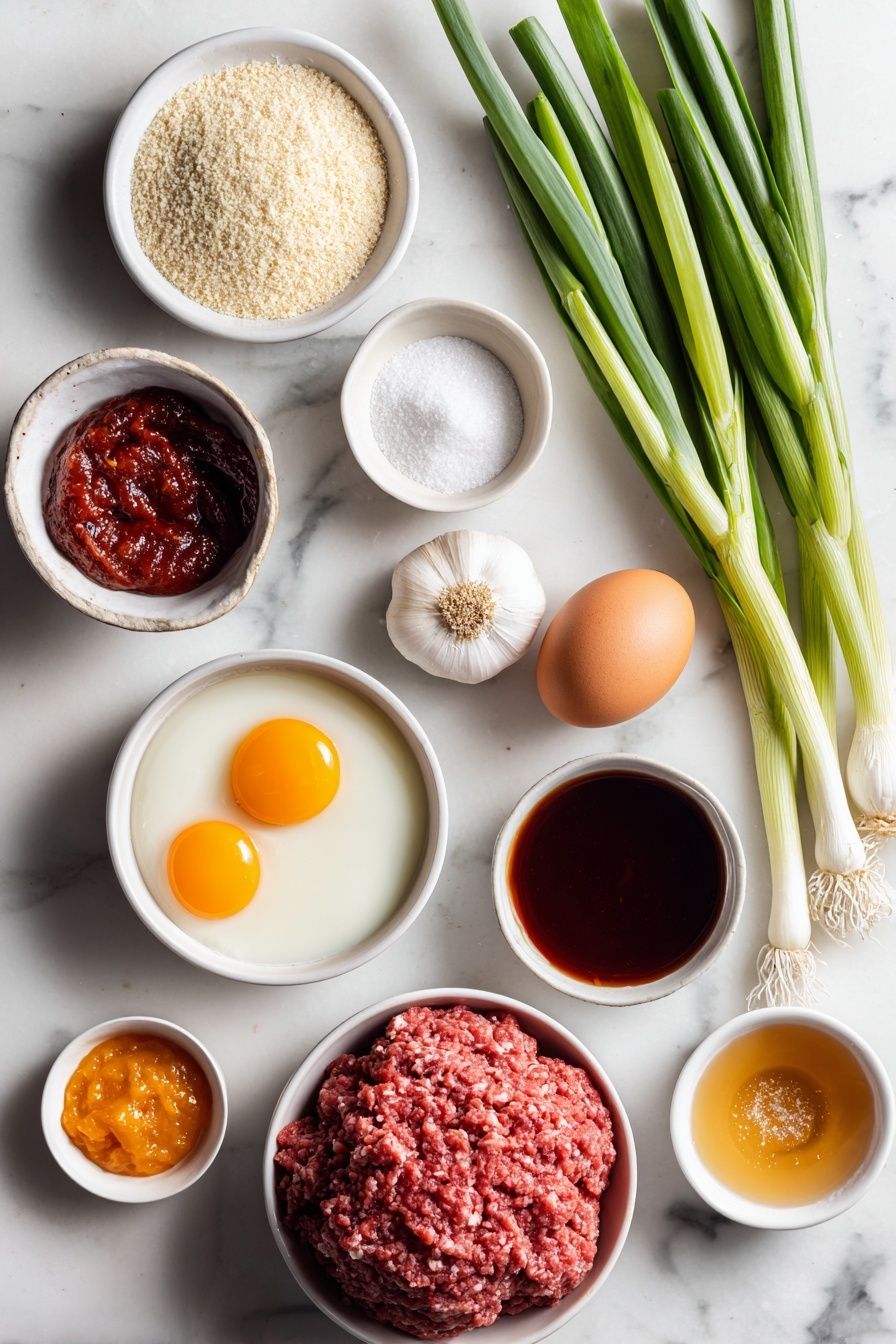
- Green onions: Adds a fresh, crisp bite and a mild onion flavor that brightens the meatballs.
- Garlic cloves: Classic aromatics that bring warmth and depth to the meat mixture.
- Egg: Acts as a binder to keep the meatballs from falling apart during cooking.
- Panko breadcrumbs: They help keep the texture light and prevent dense meatballs.
- Gochujang (Korean chili paste): The star flavor here — spicy, sweet, and fermented, it adds a uniquely delicious kick.
- Fresh ginger: Adds a zesty brightness that balances the richness of the beef and sweetness of the glaze.
- Kosher salt & ground white pepper: Essential for seasoning — builds depth without overpowering the other flavors.
- Ground beef: I use 80/20 for juicy, flavorful meatballs that hold together well.
- Canola oil: Perfect for pan-frying as it has a neutral flavor and high smoke point.
- Apricot preserves: Gives the glaze a lovely sweetness that contrasts beautifully with the heat of the gochujang.
- Rice vinegar: Adds tang to balance the sweetness and spice in the glaze.
- Soy sauce: Brings an umami richness that rounds out the glaze.
- Toasted sesame seeds: These add nuttiness and a little crunch on top when serving.
Tweak to Your Taste
This Korean Gochujang Meatballs Recipe is pretty adaptable, which I love. Sometimes I like to dial up the heat a bit or swap out beef for ground pork — it’s all about making it your own and enjoying the process as much as the meal.
- Variation: Once, I made this with half pork and half beef — the meatballs turned out extra juicy. Perfect if you want a slightly different flavor profile!
- Make it vegetarian: Try using lentils or finely chopped mushrooms with tofu as a base, and experiment with binding agents like flax egg or extra breadcrumbs.
- Heat level: If you want it spicier, add more gochujang or a pinch of Korean chili flakes (gochugaru).
- Glaze twist: Swap apricot preserves for honey or pineapple jam to change the sweetness character.
Step-by-Step: How I Make Korean Gochujang Meatballs Recipe
Step 1: Gently Mix the Meatball Ingredients
Start by combining your thinly sliced green onions, minced garlic, lightly beaten egg, panko, gochujang, fresh ginger, kosher salt, and white pepper in a large bowl. Then, add the ground beef. Use your hands or a spoon to gently mix everything just until combined — don’t overdo it or the meatballs will be dense. I find using my hands feels more intuitive and helps me avoid overmixing.
Step 2: Shape and Brown the Meatballs
Form the mixture into golf ball-sized meatballs. Heat your canola oil in a large skillet over medium-high heat. Working in batches, cook the meatballs for 3 to 4 minutes, turning regularly so they brown evenly on all sides. This step locks in flavor and gives a beautiful crust. Don’t crowd the pan — it helps them caramelize instead of steaming.
Step 3: Bake Until Cooked Through
Transfer the browned meatballs to a rimmed baking pan. Pop them in the oven preheated to 350°F and bake for about 10 minutes, or until their internal temperature reaches 160°F. This method ensures juicy interiors without overcooking.
Step 4: Whip Up the Glaze
While the meatballs bake, whisk together apricot preserves, gochujang, rice vinegar, and soy sauce in a small saucepan. Cook it over medium heat, stirring often, until the mixture thickens slightly—about 5 minutes. The glaze should be glossy and luscious, ready to coat those meatballs with deliciousness.
Step 5: Glaze and Garnish
Brush the warm meatballs generously with the glaze, then sprinkle on sliced green onions and toasted sesame seeds. I love this part because that final pop of freshness and nutty crunch makes each bite unforgettable.
Pro Tips for Making Korean Gochujang Meatballs Recipe
- Don’t Overmix the Meat: Mixing too much can make meatballs tough; knead just until combined for tender bites.
- Brown Before Baking: Searing the meatballs first adds flavor and locks moisture in — total game changer.
- Glaze on While Warm: Brushing the glaze right after baking helps it stick beautifully and soak in a bit.
- Use a Meat Thermometer: To avoid over or undercooking, check that the inside hits 160°F for safety and juiciness.
How to Serve Korean Gochujang Meatballs Recipe
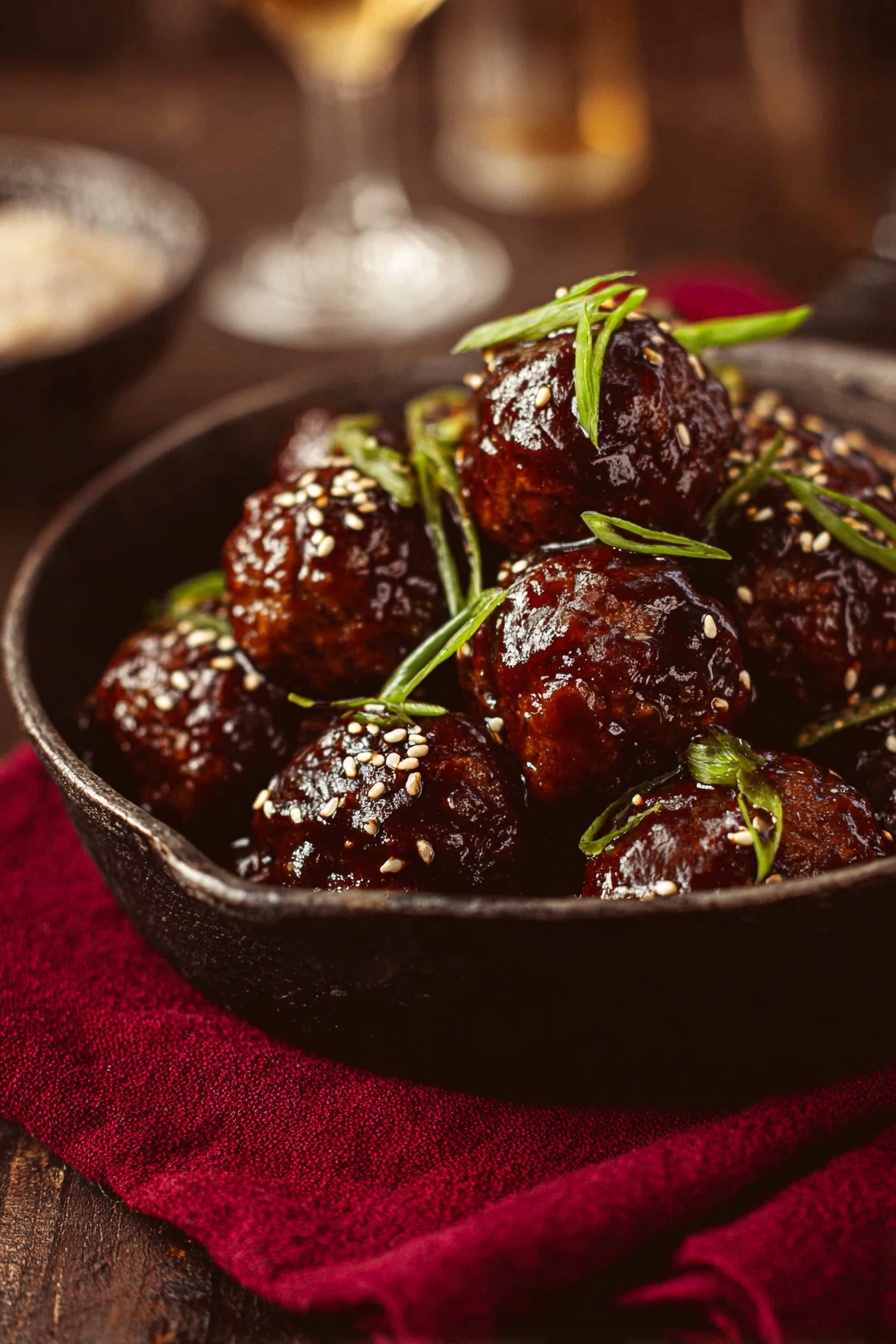
Garnishes
I’m a big fan of topping these meatballs with lots of thinly sliced green onions and a sprinkle of toasted sesame seeds — it adds fresh color and crunch that brighten the dish. Sometimes I even add a few fresh cilantro leaves when I want a little herbal zing.
Side Dishes
This Korean Gochujang Meatballs Recipe pairs perfectly with steamed jasmine rice or sticky white rice to soak up the sauce. A simple cucumber salad or kimchi on the side adds refreshing contrast. For a fuller meal, steamed broccoli or sautéed bok choy are my go-to veggies.
Creative Ways to Present
For celebrations, I like to serve these meatballs on skewers with a side of pickled vegetables — it creates an easy-to-eat appetizer vibe that guests love. Serving over a bed of lightly dressed soba noodles is another favorite presentation I’ve done for a fun twist.
Make Ahead and Storage
Storing Leftovers
Leftover Korean Gochujang Meatballs keep really well in an airtight container in the fridge for up to 3 days. I always make sure to let them cool to room temperature before storing — this prevents sogginess.
Freezing
I like to freeze cooked, unglazed meatballs on a sheet tray first until firm, then transfer to a freezer bag. When I want them later, I reheat them and add fresh glaze. This method keeps the texture intact and you can enjoy homemade Korean Gochujang Meatballs Recipe anytime.
Reheating
Reheat leftovers gently in a skillet with a splash of water over medium heat, covered, to warm through without drying out. Then brush on fresh glaze just before serving to bring back that saucy goodness.
FAQs
-
Can I make Korean Gochujang Meatballs Recipe ahead of time?
Absolutely! You can prepare the meatballs up to shaping them in advance, storing them in the fridge for a day before cooking. You can also fully cook and glaze them, then reheat gently before serving. Just be mindful not to overcook when reheating.
-
Is gochujang spicy?
Gochujang has a moderate heat level combined with sweetness and umami. The spice is noticeable but not overwhelming, making it accessible even if you’re new to Korean chili paste. You can adjust the quantity used in this recipe to suit your spice tolerance.
-
Can I use ground chicken or turkey instead of beef?
Yes! Ground chicken or turkey work well, though you might need to add a bit of oil or extra binder like egg to keep the meatballs moist, since these meats are leaner.
-
What can I serve with Korean Gochujang Meatballs?
They’re fantastic with steamed rice, noodles, or even tucked into lettuce wraps. Fresh or pickled vegetables add great balance to the rich meatballs.
Final Thoughts
This Korean Gochujang Meatballs Recipe holds a special spot in my recipe arsenal — it’s approachable, full of flavor, and easy to share with loved ones. I hope you’ll give it a try the next time you want to impress without the fuss. Trust me, once you taste those sticky, spicy, sweet bites, you’ll find yourself making them again and again. Happy cooking, friend!
Print
Korean Gochujang Meatballs Recipe
- Prep Time: 25 minutes
- Cook Time: 30 minutes
- Total Time: 55 minutes
- Yield: 4 servings
- Category: Appetizer
- Method: Frying
- Cuisine: Korean
Description
These Korean Style Meatballs are a flavorful twist on classic meatballs, combining ground beef with garlic, ginger, and the spicy kick of gochujang. Pan-seared to a golden brown and finished in the oven for perfect tenderness, they are glazed with a sweet and spicy apricot gochujang sauce and garnished with green onions and toasted sesame seeds. Perfect as an appetizer or main dish, these meatballs bring authentic Korean flavors to your table with ease.
Ingredients
For the Meatballs:
- 3 green onions very thinly sliced
- 2 garlic cloves minced
- 1 egg lightly beaten
- ½ cup panko breadcrumbs
- 2 tablespoons gochujang Korean chili paste
- 1 tablespoon minced fresh ginger
- 1 teaspoon kosher salt
- ½ teaspoon ground white pepper
- 1 pound ground beef
- 2 tablespoons canola oil for pan-frying
For the Glaze:
- ⅓ cup apricot preserves
- 2 tablespoons gochujang Korean chili paste
- 1 ½ tablespoons rice vinegar
- 1 tablespoon soy sauce
For the Garnish:
- Sliced green onion
- Toasted sesame seeds
Instructions
- Make the Meatballs: Preheat the oven to 350 degrees F. In a large bowl, combine the thinly sliced green onions, minced garlic, lightly beaten egg, panko breadcrumbs, gochujang, minced fresh ginger, kosher salt, and ground white pepper. Add the ground beef and gently mix with your hands or a spoon until just combined, being careful not to overmix. Form the mixture into golf ball-sized meatballs using your hands or a scoop.
- Brown the Meatballs: Heat the canola oil in a large skillet over medium-high heat. Working in batches to avoid overcrowding, add the meatballs and cook for 3 to 4 minutes, turning occasionally until all sides are browned evenly.
- Bake the Meatballs: Transfer the browned meatballs to a rimmed baking pan. Place the pan in the preheated oven and bake for 10 minutes, or until the internal temperature reaches 160 degrees F, ensuring they are cooked through.
- Prepare the Glaze: While the meatballs bake, whisk together the apricot preserves, gochujang, rice vinegar, and soy sauce in a small saucepan. Cook over medium heat, stirring frequently, for about 5 minutes until the mixture thickens slightly.
- Glaze and Garnish: Remove the meatballs from the oven and brush them generously with the prepared glaze. Sprinkle with sliced green onions and toasted sesame seeds before serving to add fresh flavor and a crunchy texture.
Notes
- Use fresh ginger for the brightest flavor; ground ginger can be substituted but use about 1 teaspoon.
- For a spicier glaze, increase the amount of gochujang in the sauce.
- Panko breadcrumbs help keep the meatballs light and tender; regular breadcrumbs can be used but may result in denser meatballs.
- If you don’t have an oven-safe skillet, transfer meatballs to a baking dish before baking.
- Check meatballs’ internal temperature with a meat thermometer for safe doneness.
- Canola oil is preferred for its high smoke point; other neutral oils like vegetable oil can substitute.
- Serve these meatballs as an appetizer or with rice and steamed vegetables for a complete meal.
Nutrition
- Serving Size: 1 serving
- Calories: 350 kcal
- Sugar: 10 g
- Sodium: 520 mg
- Fat: 22 g
- Saturated Fat: 7 g
- Unsaturated Fat: 12 g
- Trans Fat: 0 g
- Carbohydrates: 18 g
- Fiber: 1 g
- Protein: 20 g
- Cholesterol: 80 mg