Italian Nut Torrone Recipe
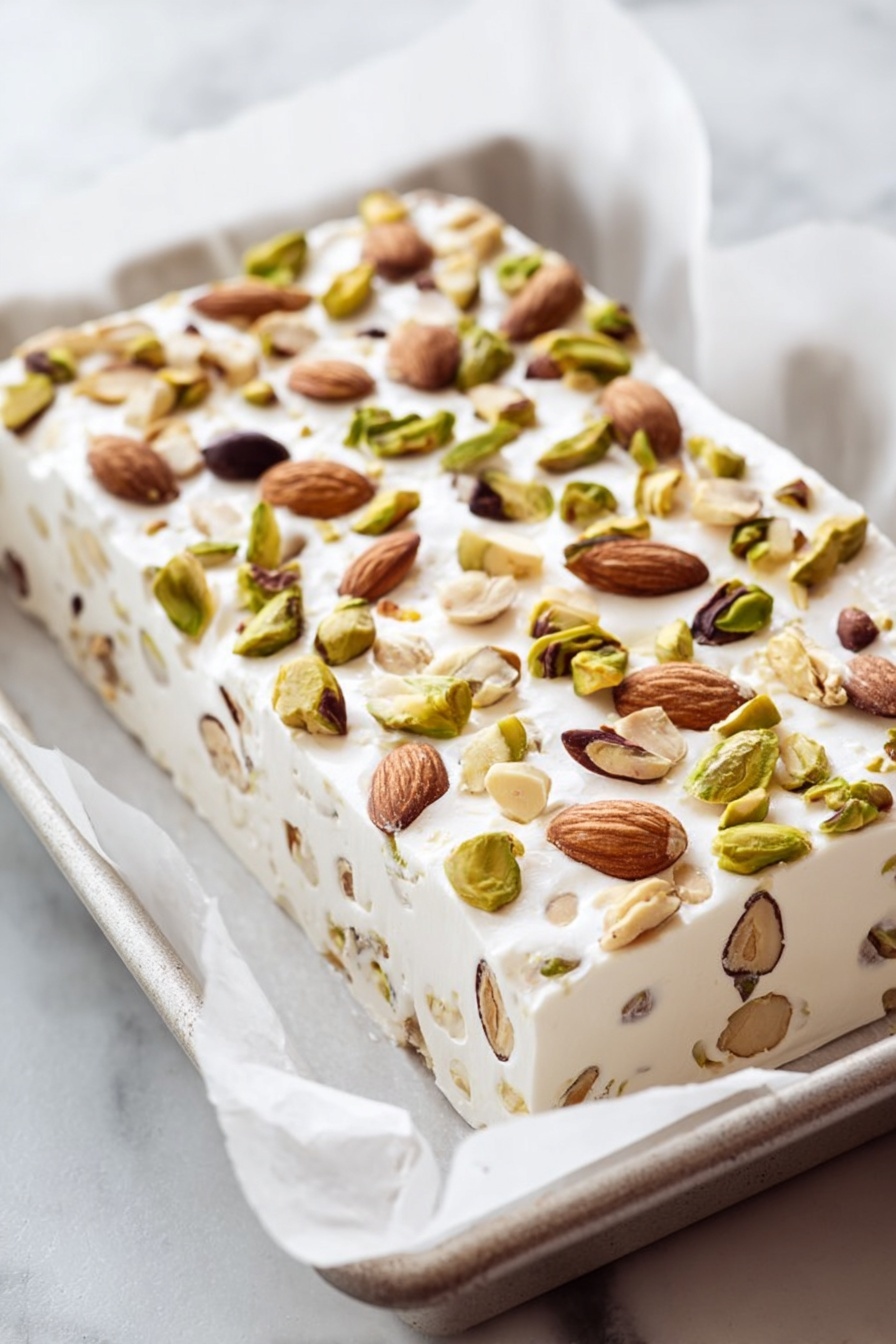
If you’ve ever dreamed of making a sweet treat that’s both charmingly traditional and irresistibly delicious, I’m thrilled to share my take on the Italian Nut Torrone Recipe. This soft white nougat packed with crunchy toasted nuts is an absolute showstopper, whether you’re gifting it or enjoying it with your afternoon coffee. Trust me, once you make it, you’ll want to keep this recipe close for all those special occasions and cozy nights in.
Why This Recipe Works
- Classic Balance: The perfect harmony of honey sweetness and nutty crunch creates that authentic Italian torrone experience.
- Simple Ingredients: No fancy add-ins, just pantry staples you can trust to shine through.
- Texture Mastery: Soft, chewy nougat contrasts beautifully with toasted almonds and pistachios for that satisfying bite.
- Beginner-Friendly: Step-by-step approach makes this recipe doable for anyone willing to follow along patiently.

Ingredients & Why They Work
The magic of this Italian Nut Torrone Recipe lies in its simple but thoughtfully selected ingredients. Each one plays a vital role in creating the chewy, sweet, nutty treat that’s hard to resist. When shopping, opt for the best honey you can find—it really makes a difference.
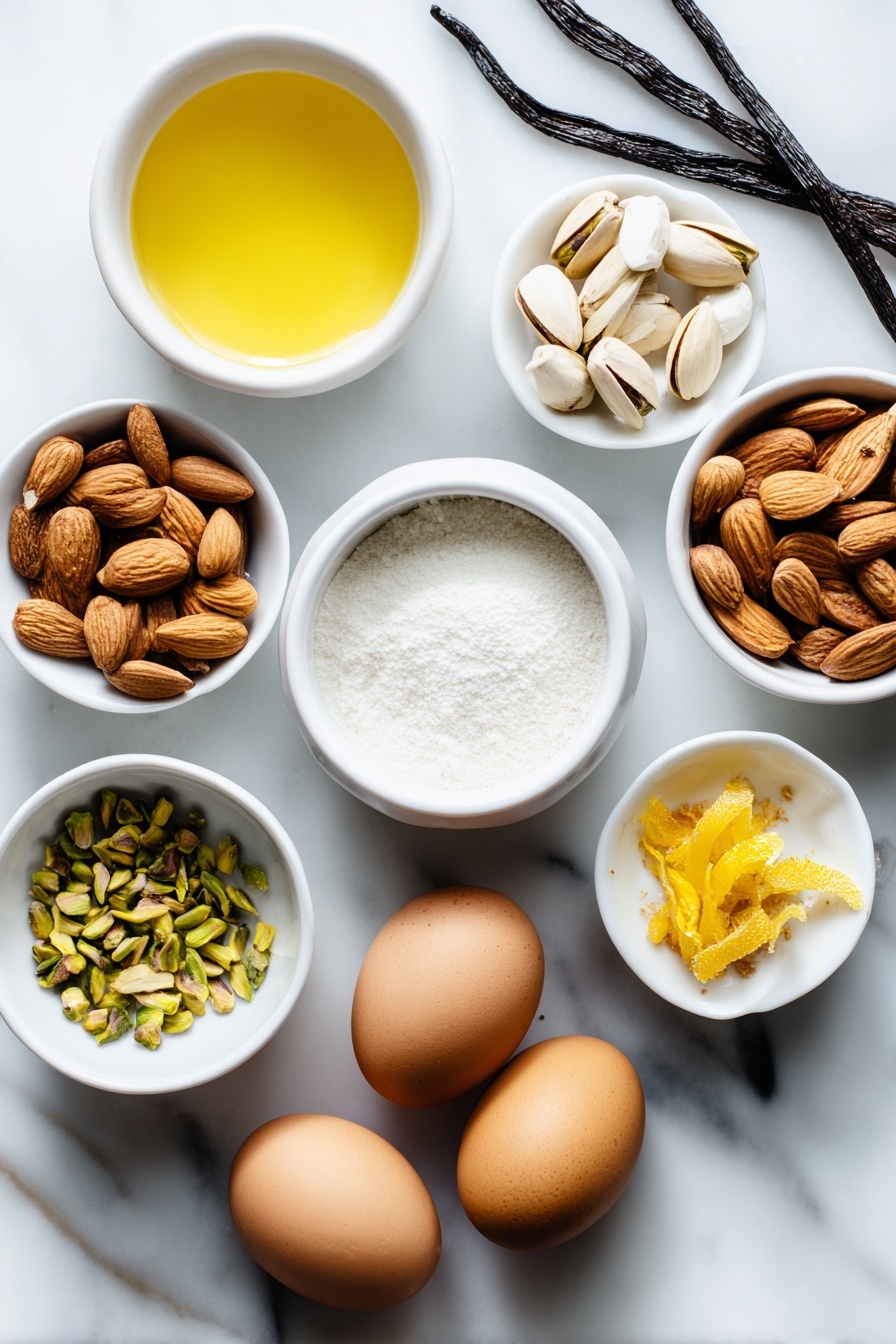
- Honey: Provides natural sweetness and moisture; choose a mild, floral honey for subtle complexity.
- Sugar: Helps form the fondant texture when cooked to the right temperature.
- Water: Aids in dissolving sugar evenly, preventing crystallization.
- Egg whites: Whipped to soft peaks, they give the torrone its light, airy base.
- Toasted nuts (almonds and pistachios): Bring crunch and flavor depth; toasting enhances their nuttiness.
- Vanilla extract or citrus zest: Adds a fragrant note that brightens the nougat and cuts through sweetness.
Tweak to Your Taste
One of my favorite things about this Italian Nut Torrone Recipe is how adaptable it is. Feel free to make it your own by experimenting with nuts or even adding spices—you’ll get a unique treat every time. I always encourage trying small tweaks to make it suit your preferences perfectly.
- Variation: I once added a hint of cinnamon and a sprinkle of cocoa powder, which gave the torrone a cozy, wintery vibe. You might love it too!
- Nuts swap: Substituting pistachios for hazelnuts or walnuts works beautifully if that’s what you have on hand.
- Dietary adjustments: Use organic ingredients or raw honey for a more natural twist, though traditional torrone relies on this classic combo.
Step-by-Step: How I Make Italian Nut Torrone Recipe
Step 1: Toast Those Nuts to Perfection
Start by preheating your oven to 350°F (175°C). Spread the almonds and pistachios evenly on a baking sheet and toast them for about 8-10 minutes until they smell fragrant and just start to turn golden. Keep a close eye so they don’t burn! Toasting is key—it intensifies the nuts’ flavor and adds a lovely crunch to your torrone.
Step 2: Cook the Honey to the Right Temperature
Pour your honey into a small saucepan and gently heat until it reaches 250°F (120°C) on a candy thermometer. This precise stage is where the honey thickens and becomes luscious, adding the foundation of flavor and stickiness to your torrone. If you don’t have a candy thermometer, aim for a gentle boil and test small drops in cold water for firmness—though the thermometer makes this foolproof.
Step 3: Make the Sugar Syrup
In another saucepan, combine sugar and water, heating it to 300°F (150°C). This syrup will help give the torrone its classic chewy texture. This step requires patience—avoid stirring once it starts to boil to prevent crystallization. The syrup should be clear and bubbling vigorously by the time it hits temperature.
Step 4: Whip Egg Whites to Soft Peaks
In a clean, dry bowl, use an electric mixer to beat the egg whites until they form soft peaks—that soft fluffiness that holds its shape but still curls at the tips. This part is crucial for giving the torrone that airy, melt-in-the-mouth texture.
Step 5: Combine Honey with Egg Whites
Slowly drizzle the hot honey into the whipped egg whites, beating continuously on medium speed. This step might feel a little intimidating, but take your time—it warms and stabilizes the egg mixture, adding sweet flavor and sticky structure. Adding honey too fast can deflate your whites, so patience pays off here.
Step 6: Fold in Sugar Syrup, Nuts & Flavor
Once the honey and egg whites are combined, gradually add the hot sugar syrup and gently fold everything together. Toss in toasted nuts and the vanilla extract or zest, folding carefully so you don’t lose fluffiness. You want the nuts fully coated but still maintaining that light nougat texture.
Step 7: Shape & Let Set
Line a square or rectangular dish with parchment paper and pour the torrone mixture in. Press and smooth evenly with a spatula or your hands (just lightly greased), then cover and let it set for at least 4 hours at room temperature. The wait feels *long*, but it’s essential so that perfect chewy nougat texture develops.
Step 8: Slice & Enjoy
Carefully flip the torrone out of the dish, peel off the parchment, and cut into bite-sized pieces. This is when your hard work truly pays off—chewy, nutty, and sweet, with a delicate softness. Share it with friends or stash it for when you want a little slice of Italy at home.
Pro Tips for Making Italian Nut Torrone Recipe
- Perfect Nut Toasting: Don’t skip toasting—nuts get that deep crunch and aromatic flavor only baking can impart.
- Temperature Matters: Using a candy thermometer is a game-changer to nail the honey and sugar syrup stages with confidence.
- Slow Mixing: Adding hot honey slowly to egg whites helps keep your torrone light and prevents scrambling.
- Patience Pays Off: Allow the torrone enough time to set fully—it develops flavor and structure while resting.
How to Serve Italian Nut Torrone Recipe
Garnishes
I usually keep it simple by dusting a light sprinkle of powdered sugar on top—it looks pretty and adds a gentle sweetness that complements the nougat. Sometimes I add finely chopped pistachios on top for extra color and crunch; it’s such a beautiful presentation for gifting too!
Side Dishes
A great way I enjoy this torrone is alongside a cup of freshly brewed espresso, which balances the sweetness perfectly. For an Italian-themed gathering, it pairs wonderfully with fresh fruit like figs or oranges and a selection of cheeses—it’s a fun way to keep things sophisticated yet approachable.
Creative Ways to Present
For holiday gifts, I like to cut the torrone into small, uniform squares and wrap each piece in wax paper tied with twine and a sprig of rosemary—instantly rustic and charming. At parties, serve bite-sized pieces on a wooden board surrounded by nuts and dried fruit for a festive dessert platter everyone loves to nibble on.
Make Ahead and Storage
Storing Leftovers
After slicing, I store my torrone in an airtight container layered between parchment paper to prevent sticking. Kept at room temperature, it stays fresh and chewy for at least two weeks, making it easy to snack on whenever cravings hit.
Freezing
Although I don’t freeze torrone often, I’ve frozen it wrapped tightly in plastic wrap and placed in a freezer bag with good results. Just thaw it at room temperature before serving to restore its perfect texture. It’s a lifesaver if you want to make a big batch ahead of time!
Reheating
Torrone is best enjoyed at room temp, so I usually just let leftovers come out of storage naturally. Avoid microwaving as it can melt the sugar and mess with texture. If you like a softer bite, briefly holding it in your hands warms it slightly to perfect chewiness.
FAQs
-
Can I use other nuts besides almonds and pistachios in this Italian Nut Torrone Recipe?
Absolutely! While almonds and pistachios are traditional, you can swap in hazelnuts, walnuts, or even pecans to vary the flavor and texture. Just make sure to toast any nuts you add for maximum taste.
-
Is it safe to use raw egg whites in this recipe?
Since the egg whites are whipped and combined with hot honey and sugar syrups heated to high temperatures, they effectively get cooked in the process. However, if you’re concerned, you can use pasteurized egg whites from the store for extra safety.
-
How long can I store homemade torrone?
When stored properly in an airtight container at room temperature, your torrone should remain fresh and delicious for up to two weeks. Keep it away from humidity to avoid sticky texture changes.
-
What’s the best way to cut torrone without it sticking?
Use a sharp knife dipped in hot water and wiped dry before slicing each piece. This technique helps the knife glide through smoothly without sticking to the nougat.
Final Thoughts
This Italian Nut Torrone Recipe holds a special place in my kitchen because it connects me to timeless traditions while delighting my taste buds. There’s just something magical about pulling off a chewy, crunchy, sweet nougat that you can share proudly. I hope you give this recipe a try—it’s not only delicious but genuinely satisfying to make. Plus, impressing friends and family with homemade torrone has become one of my favorite little kitchen victories, and I know you’ll enjoy that feeling too!
Print
Italian Nut Torrone Recipe
- Prep Time: 15 minutes
- Cook Time: 35 minutes
- Total Time: 50 minutes
- Yield: 12 servings
- Category: Dessert
- Method: Stovetop
- Cuisine: Italian
Description
This traditional Italian Torrone recipe is a soft, chewy white nougat made with honey, sugar, egg whites, and toasted nuts. Perfectly sweet and nutty, Torrone is a delightful treat that can be enjoyed as a dessert or snack. The recipe guides you through toasting nuts, preparing honey and sugar syrups, whipping egg whites, and combining all ingredients to create a classic festive confection.
Ingredients
Nougat Base
- 1 cup (340g) honey
- 1 cup (200g) sugar
- 1/4 cup (60ml) water
- 2 egg whites
- 1 tsp vanilla extract or citrus zest
Nuts
- 1 cup (100g) toasted almonds
- 1 cup (100g) toasted pistachios or mixed nuts
Instructions
- Toast the Nuts: Preheat your oven to 350°F (175°C). Spread the almonds or mixed nuts evenly on a baking sheet and toast them for 10 minutes until fragrant and lightly golden. Remove and let them cool.
- Cook the Honey: Pour the honey into a saucepan and heat it over medium heat until it reaches 250°F (120°C) using a candy thermometer.
- Prepare the Sugar Syrup: In another saucepan, combine the sugar and water. Heat the mixture to 300°F (150°C), ensuring the sugar dissolves completely and the syrup reaches the hard crack stage.
- Whip Egg Whites: In a clean bowl, beat the egg whites until soft peaks form. Slowly drizzle the hot honey into the egg whites while continuing to beat, which will help to cook and stabilize the mixture.
- Mix: Gradually add the hot sugar syrup to the whipped egg whites and honey mixture while beating continuously. Once combined, gently fold in the toasted nuts and the vanilla extract or citrus zest until evenly distributed.
- Shape: Line a dish or loaf pan with parchment paper. Pour the nougat mixture into the dish and press it down evenly using a spatula or your hands covered with parchment to compact it well.
- Set: Allow the Torrone to rest at room temperature for 4 hours, letting it set completely and firm up.
- Slice and Serve: Once set, remove the Torrone from the dish, peel off the parchment, and cut it into 12 pieces using a sharp knife. Serve immediately or store in an airtight container.
Notes
- Use a mix of nuts such as almonds, pistachios, and hazelnuts for a richer flavor and varied texture.
- Adding a touch of cocoa powder or cinnamon can create a unique flavor twist if desired.
- Store Torrone in an airtight container at room temperature to maintain freshness and prevent it from drying out.
- Make sure to use a reliable candy thermometer to monitor syrup temperatures for best texture results.
- Ensure egg whites are whipped to soft peaks before adding hot syrups for proper aeration and texture.
Nutrition
- Serving Size: 1 piece
- Calories: 230 kcal
- Sugar: 20 g
- Sodium: 5 mg
- Fat: 12 g
- Saturated Fat: 1.5 g
- Unsaturated Fat: 10.5 g
- Trans Fat: 0 g
- Carbohydrates: 28 g
- Fiber: 2 g
- Protein: 6 g
- Cholesterol: 0 mg