Healthy Gingerbread Oatmeal Cookies Recipe
If you’re on the hunt for a cozy, flavorful treat that’s actually good for you, you’re going to love this Healthy Gingerbread Oatmeal Cookies Recipe. It’s exactly what I reach for when I want that gingerbread spice fix without the guilt or the sugar crash later. These cookies are soft, chewy, and packed with warm spices that make your kitchen smell absolutely divine. Stick with me—I’ll walk you through every step so your batch comes out just right every time.
Why This Recipe Works
- Balanced Sweetness: Uses molasses for classic gingerbread flavor with just a touch of natural sweetness.
- Perfect Texture: Instant oats create a soft yet chewy bite without drying out the cookies.
- Simple Ingredients: Easy to find pantry staples, many with gluten-free and dairy-free alternatives.
- No Fuss Baking: Cookies hold their shape and don’t spread, making them foolproof every time.

Ingredients & Why They Work
What I love about this Healthy Gingerbread Oatmeal Cookies Recipe is how every ingredient plays a role in delivering that iconic gingerbread taste and perfect cookie texture, yet keeps it wholesome. When you pick your oats and flours carefully, the cookies stay soft and not dry at all.

- Instant oats: They absorb moisture just right and give the cookies their soft, chewy texture without any toughness.
- Whole wheat flour (or gluten-free flour): Adds nuttiness and structure; make sure to measure accurately for the best results.
- Baking powder: Helps the cookies rise slightly, so they aren’t too dense or flat.
- Ground ginger, cinnamon, nutmeg, cloves: These warm spices are what make gingerbread so irresistible—freshly ground spices elevate flavor the most.
- Unsalted butter or coconut oil: Provides richness and moisture; coconut oil is great if you want dairy-free.
- Egg white: Keeps the cookies light and adds just enough binding without heaviness.
- Vanilla extract: Enhances and rounds out the spice flavors.
- Molasses: The heart of gingerbread flavor—use real molasses (not blackstrap) for that deep, authentic taste.
- Nonfat milk: Adds just a touch of moisture to bring everything together; room temperature is key for smooth mixing.
Tweak to Your Taste
One of the best parts about this Healthy Gingerbread Oatmeal Cookies Recipe is how easy it is to make it your own. Over time, I’ve played with adding extra ginger or swapping in different sweeteners depending on my mood or pantry.
- Spicy Kick: I’ve bumped up the ground ginger by a half teaspoon when I really want that bold ginger flavor to shine through—it’s delicious if you love things a bit spicier.
- More Sweetness: If you prefer sweeter cookies, swapping part of the milk for maple syrup is a great trick I do, reducing the milk accordingly so the dough stays just right.
- Dairy-Free Swap: Using coconut oil and almond milk has saved me more than once when dairy wasn’t an option; it keeps the cookies just as tasty and moist.
Step-by-Step: How I Make Healthy Gingerbread Oatmeal Cookies Recipe
Step 1: Mix Your Dry Ingredients
First up, grab a medium-sized bowl. Whisk together your instant oats, whole wheat flour, baking powder, and all the warming spices (ginger, cinnamon, nutmeg, cloves), along with the salt. This helps distribute the leavening and spices evenly so there are no clumps or uneven bites.
Step 2: Whisk Your Wet Ingredients
In a separate bowl, I whisk the melted and slightly cooled butter (or coconut oil) with the egg white and vanilla extract until it’s smooth. Next, stir in the molasses. This dark, syrupy ingredient can sometimes solidify if it’s cold, so make sure it’s at room temperature for easy mixing. Finally, add the milk and whisk it all together until it looks uniform.
Step 3: Combine and Chill
Add the dry oat and flour mixture to the wet ingredients and gently stir until just combined. Be careful not to overmix—stop when you no longer see dry flour. Then, chill the dough in the fridge for 30 minutes. This is a game changer to help the cookies hold their shape and develop flavor.
Step 4: Shape and Bake
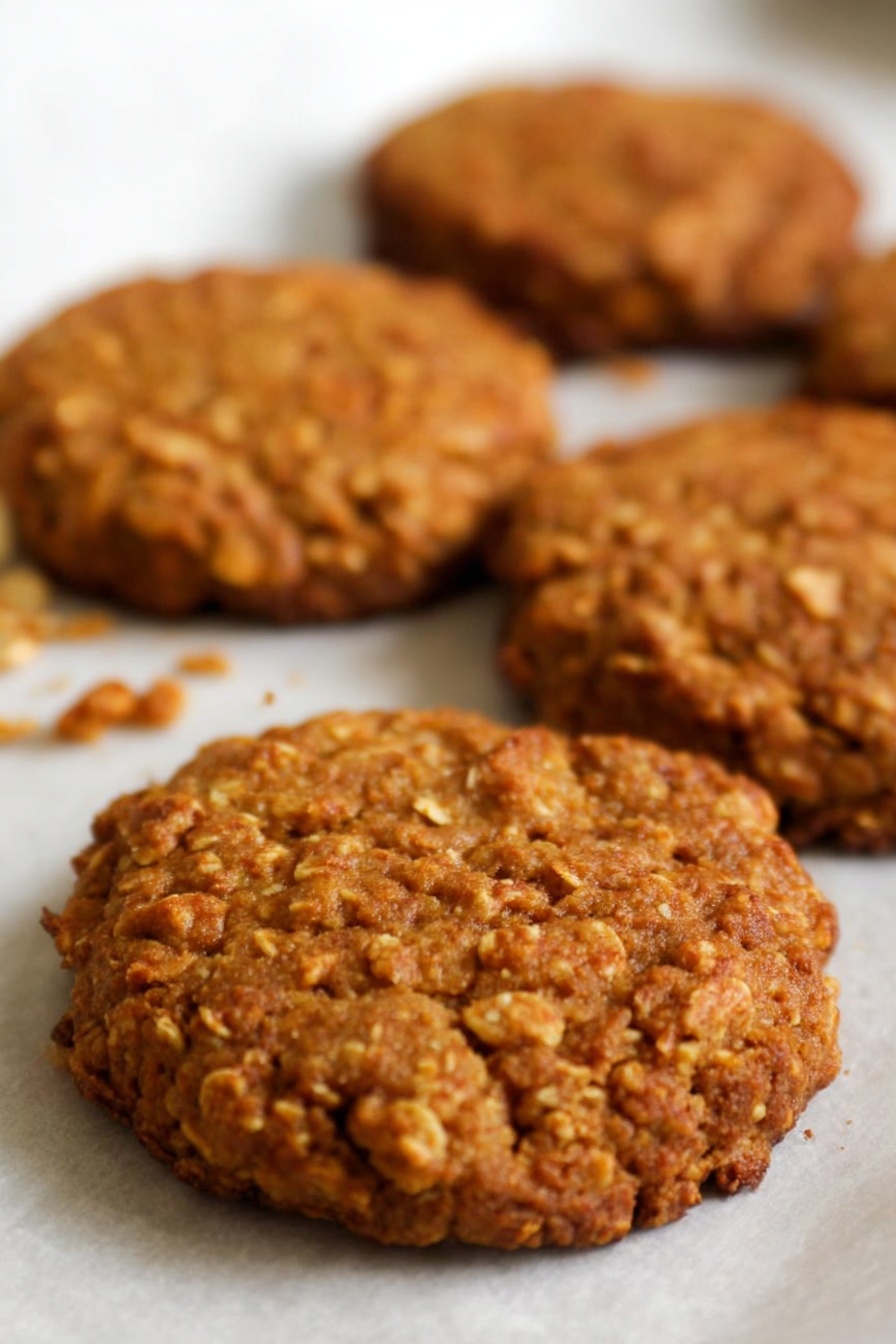
Preheat your oven to 325°F and prepare your baking sheet with parchment paper or a silicone mat. Using a spoon and spatula, drop 15 rounded scoops of dough onto the sheet, then flatten each to about ⅜ inch thick. These cookies don’t spread much during baking, so you want to shape them right from the start. Bake for 7 to 10 minutes—watch the centers closely. They should still feel a little soft when you pull them out because they’ll continue cooking while cooling.
Step 5: Cool and Enjoy
Let the cookies cool on the baking sheet for 10 minutes before transferring to a wire rack. This resting period is crucial—it gives the cookies the perfect chewy texture. Trust me, it’s so much better than rushing to eat them while hot!
Pro Tips for Making Healthy Gingerbread Oatmeal Cookies Recipe
- Measure With Care: I can’t stress enough how important it is to measure the oats and flour exactly—too much flour and your cookies turn cakey and dry.
- Don’t Skip Chilling: Chilling the dough really helps keep the cookies from spreading and intensifies the flavors. I never bake without this step now!
- Watch Your Bake Time: Pull the cookies out when centers still feel soft—they finish baking on the hot pan while cooling, which keeps them moist.
- Use Room Temp Ingredients: Keeping egg whites, molasses, and milk at room temperature helps everything mix smoothly and produces better texture.
How to Serve Healthy Gingerbread Oatmeal Cookies Recipe
Garnishes
I often sprinkle a tiny dusting of cinnamon or powdered sugar on top when serving these cookies to friends—it adds a sweet, photo-worthy touch without overpowering the natural gingerbread flavor. Sometimes, I’ll add a dollop of Greek yogurt or a drizzle of almond butter for breakfast on the go.
Side Dishes
These cookies pair wonderfully with a hot mug of chai tea or coffee first thing in the morning. I also like serving them with fresh apple slices or a handful of nuts for a balanced breakfast or snack.
Creative Ways to Present
For holiday brunches, I’ve arranged these cookies alongside seasonal fruit like pomegranate seeds and orange slices on a rustic wooden board. Wrapping them in parchment and tied with twine makes an adorable and thoughtful homemade gift, too!
Make Ahead and Storage
Storing Leftovers
Once your cookies are completely cooled, store them in an airtight container at room temperature for up to 2 days, or pop them in the fridge if you want them to last closer to a week. I’ve found refrigeration even improves their chewiness over time!
Freezing
These cookies freeze beautifully. I like to layer them between sheets of parchment paper inside a freezer-safe bag or container. Then you can thaw just a few at a time for a quick breakfast or snack that tastes freshly baked.
Reheating
To warm up frozen or leftover cookies, a quick 10-15 second zap in the microwave or 3-4 minutes in a warm oven does the trick. This brings back their soft, chewy texture and smells amazing.
FAQs
-
Can I make these cookies gluten-free?
Absolutely! Use certified gluten-free instant oats and a gluten-free flour blend measured carefully just like the recipe calls for. Alternatively, you can try a specific blend like millet, tapioca, and brown rice flours with xanthan gum for structure. This swaps nicely with whole wheat flour without losing the texture.
-
Why won’t my cookies spread in the oven?
Great question! This recipe is designed so the cookies hold their shape because the dough isn’t very wet and the oats help keep it firm. That’s why you flatten the scoops before baking instead of expecting them to spread naturally. It’s part of what keeps them soft and chewy inside.
-
Can I use a whole egg instead of egg white?
Yes! If you prefer a whole egg, just substitute 1 large egg and reduce the milk by about half a tablespoon to balance the extra moisture. The cookies will have a slightly richer texture but still come out delicious.
-
Can I substitute molasses with another sweetener?
Molasses is essential for that authentic gingerbread flavor and chewy texture, so I recommend using the real stuff if possible—just not blackstrap because it’s too bitter. If molasses isn’t available, you can replace it with maple syrup or honey, but expect a different flavor profile. Avoid sugar-free maple syrup as it can negatively affect texture.
Final Thoughts
This Healthy Gingerbread Oatmeal Cookies Recipe holds a special place in my kitchen because it combines the nostalgia of gingerbread with a wholesome twist I feel good about eating anytime—breakfast, snack, or dessert. I hope you give it a try and fall in love with its soft, spiced goodness just like I did. Once you know these tips and tricks, you’ll be baking these perfect cookies for all your cozy moments!
Print
Healthy Gingerbread Oatmeal Cookies Recipe
- Prep Time: 15 minutes
- Cook Time: 10 minutes
- Total Time: 55 minutes
- Yield: 15 cookies
- Category: Breakfast
- Method: Baking
- Cuisine: American
- Diet: Low Fat
Description
These Healthy Gingerbread Oatmeal Breakfast Cookies offer a soft and chewy texture with warm spices like ginger, cinnamon, nutmeg, and cloves. Made with wholesome ingredients including instant oats, whole wheat flour, molasses, and nonfat milk, they provide a lightly sweetened, nutritious start to your day. Perfect for a convenient breakfast or snack, these cookies are easy to prepare and feature a gentle gingerbread flavor without being overly sweet.
Ingredients
Dry Ingredients
- 1 cup (100g) instant oats (gluten-free if necessary)
- ¾ cup (90g) whole wheat flour or gluten-free flour
- 1 ½ tsp baking powder
- 1 tsp ground ginger
- ¼ tsp ground cinnamon
- ⅛ tsp ground nutmeg
- ⅛ tsp ground cloves
- ¼ tsp salt
Wet Ingredients
- 1 ½ tbsp (21g) unsalted butter or coconut oil, melted and cooled slightly
- 1 large egg white (room temperature)
- 1 tsp vanilla extract
- ¼ cup (60mL) molasses (room temperature)
- 5 tbsp (75mL) nonfat milk (room temperature)
Instructions
- Mix dry ingredients: In a medium bowl, whisk together the oats, flour, baking powder, ground ginger, cinnamon, nutmeg, cloves, and salt until well combined.
- Mix wet ingredients: In a separate bowl, whisk the melted and slightly cooled butter or coconut oil with the egg white and vanilla extract until thoroughly combined. Stir in the molasses, then add in the nonfat milk and stir to combine.
- Combine mixtures: Add the dry oat mixture into the wet ingredients and gently stir until just incorporated. Avoid overmixing to maintain a soft texture.
- Chill dough: Cover the cookie dough and chill it in the refrigerator for 30 minutes to help the cookies hold their shape during baking.
- Preheat oven and prepare sheet: Preheat the oven to 325°F. Line a baking sheet with a silicone baking mat or parchment paper for easy cleanup and to prevent sticking.
- Shape cookies: Using a spoon and spatula, drop the dough into 15 rounded scoops onto the prepared baking sheet. Flatten each to about ⅜ inch thick using the spatula since these cookies do not spread during baking.
- Bake cookies: Bake the cookies at 325°F for 10 minutes. They should still feel slightly soft in the center when removed from the oven as they will continue to set while cooling.
- Cool cookies: Allow the cookies to cool on the baking sheet for 10 minutes before transferring them to a wire rack to cool completely.
Notes
- Measure oats and flour carefully using a kitchen scale or correct volume method to avoid dry or cakey cookies.
- These cookies are mildly sweet; for a sweeter version, substitute some milk with pure maple syrup, honey, or agave and reduce the milk accordingly.
- Increase ground ginger by ¼ to 1 teaspoon for a spicier gingerbread flavor.
- Cookies do not spread during baking, so flatten them before baking to desired thickness.
- Do not overbake; remove when centers are slightly soft.
- Use instant or quick-cooking oats; pulse old-fashioned oats in a food processor to achieve the same texture if needed.
- White whole wheat, pastry, all-purpose, or oat flour are suitable flour substitutions with mindful measuring.
- You can substitute one large whole egg for the egg white but reduce milk by ½ tablespoon.
- Molasses is essential for authentic flavor; avoid blackstrap molasses due to bitterness.
- Dairy-free versions can use coconut oil or vegan butter and plant-based milk.
- For gluten-free, use certified gluten-free oats and flour blends with xanthan gum if required.
- Store cookies in an airtight container at room temperature for a couple of days or refrigerate up to a week. They also freeze well.
Nutrition
- Serving Size: 1 cookie
- Calories: 90 kcal
- Sugar: 5 g
- Sodium: 85 mg
- Fat: 2.5 g
- Saturated Fat: 1 g
- Unsaturated Fat: 1 g
- Trans Fat: 0 g
- Carbohydrates: 15 g
- Fiber: 2 g
- Protein: 2 g
- Cholesterol: 5 mg