Coconut Cake Recipe with Cream Cheese Frosting Recipe
If you’re craving that perfect balance of moist, fluffy cake with the tropical kiss of coconut and the tangy creaminess of a smooth frosting, you’re going to love this Coconut Cake Recipe with Cream Cheese Frosting Recipe. It’s one of those desserts that feels like a warm hug—subtle, comforting, and utterly delicious. Trust me, once you try this, it’ll become your go-to whenever you want to impress or just treat yourself to something genuinely spectacular. So stick with me, and I’ll share all my little tweaks and tips to help you nail it perfectly.
Why This Recipe Works
- Perfect Texture Balance: Beating egg whites separately and folding them in creates an airy, tender crumb that’s anything but dense.
- Flavor Depth: Using both vanilla bean paste and coconut extract layers the flavors beautifully without overpowering.
- Moisture Magic: Wrapping the cake overnight before frosting locks in moisture, making every bite wonderfully soft and fresh.
- Cream Cheese Frosting: The tangy cream cheese frosting cuts through the sweetness, providing a luscious finish that’s not too heavy.

Ingredients & Why They Work
The ingredients here come together in a harmonious way, creating a tender crumb with just the right hint of coconut flavor—not overwhelming but unmistakable. I recommend picking a good quality flaked coconut and fresh dairy ingredients for the best results.

- Egg Whites and Egg Yolks: Separating these helps create lightness in the cake; the whites add airiness, and the yolks add richness.
- Buttermilk: Adds moisture and a subtle tang, plus it reacts with baking soda to help the cake rise perfectly.
- Baking Soda: Essential for rise and tender crumb when combined with buttermilk’s acidity.
- Sweetened Flaked Coconut: Gives real coconut texture and flavor; pulsing it in a food processor ensures it’s not too chunky in the batter.
- Cake Flour: Helps keep the cake delicate and tender—avoid using all-purpose here for the lightest result.
- Powdered Milk: Adds richness and helps tenderize the cake crumb.
- Granulated Sugar: Sweetens the cake while giving it structure.
- Unsalted Butter: Provides moistness and flavor—room temp butter works best for creaming with sugar.
- Vanilla Bean Paste & Coconut Extract: These boost and layer the flavor without being overpowering—vanilla bean paste has those gorgeous specs and richer flavor.
- Cream Cheese and Butter (for Frosting): The combo creates a smooth, luscious, and tangy frosting that complements coconut perfectly.
- Powdered Sugar and Heavy Cream (for Frosting): Help achieve the silky, spreadable consistency you want in frosting.
Tweak to Your Taste
One of my favorite things about this Coconut Cake Recipe with Cream Cheese Frosting Recipe is how easy it is to make your own. I’ve tried swapping out a bit of the buttermilk for coconut milk for an extra punch, and it’s a dream. Feel free to play around—maybe some toasted coconut on top, or a splash of rum extract for grown-up flair.
- Toasted Coconut Topping: I love toasting a portion of the flaked coconut to sprinkle on top for extra crunch and flavor contrast.
- Gluten-Free Variation: Using a gluten-free cake flour blend works well, though I add an extra egg yolk for moisture.
- Vegan Modification: I haven’t tried vegan cream cheese yet, but friends swear by it combined with coconut cream frosting.
- Flavor Boosts: Adding almond extract along with the coconut extract gives a lovely nutty note that you’ll enjoy if you love layered flavors.
Step-by-Step: How I Make Coconut Cake Recipe with Cream Cheese Frosting Recipe
Step 1: Whip Those Egg Whites to Perfection
I start with the egg whites because they’re what give the cake that lovely light texture. Using a stand mixer with the whisk attachment, I beat them on medium speed until I can see stiff, glossy peaks form. It’s super important they’re not overbeaten or dry—think smooth, hold-the-peak kind of firm. Set these aside gently in a small bowl. This step really sets you up for success with the cake’s texture.
Step 2: Mix the Dry Ingredients and Process the Coconut
Next up, I pulse the sweetened flaked coconut in my food processor until it’s finely shredded—it blends into the batter better this way, giving you coconut flavor in every bite without big chewy chunks. Then, into my mixer bowl go the cake flour, granulated sugar, powdered milk, salt, and that finely processed coconut. A quick mix gets these evenly combined so every scoop tastes consistent.
Step 3: Cream Butter and Then Add Yolks and Flavor
I add the softened butter and mix until the texture looks sandy—this means the butter is well cut into the sugars and flour. Then I scrape down the sides, so nothing’s hiding from the mixer, before beating in the egg yolks, vanilla bean paste, and coconut extract. The scent alone at this stage gets me every time. It foreshadows just how good this cake is going to be.
Step 4: Add Buttermilk Mixture and Fold in Egg Whites
Mixing in the buttermilk that’s combined with baking soda happens in three gentle additions—this prevents the batter from curdling. After everything is just incorporated, it’s time to fold in those egg whites. Do this carefully and gently with a spatula; you want to keep all the air you worked so hard to whip in.
Step 5: Bake, Cool, and Wrap Overnight
I divide the batter evenly between two 9-inch pans—using a kitchen scale here is a game-changer—and bake at 350°F for 35-40 minutes. When the toothpick comes out clean, I let the cakes cool in their pans for five minutes before transferring to a rack. Here’s my secret: wrapping the cakes tightly in plastic wrap while still slightly warm and leaving them overnight keeps them incredibly moist. It’s a small step, but it makes a huge difference.
Step 6: Make the Cream Cheese Frosting
Once cooled, I beat cold cubed cream cheese with softened butter until smooth. Then I gradually add powdered sugar alternating with heavy cream until it’s luscious and fluffy. Vanilla extract and coconut extract go in last for that quintessential flavor pop. If you need it stiffer or runnier, just tweak sugar or cream accordingly.
Step 7: Frost and Garnish the Cake
I start by frosting the bottom layer evenly, then add the second layer and cover the top and edges with frosting. Pressing sweetened flaked coconut onto the sides and top while the frosting is still soft makes it look beautiful and adds texture. You can always pipe extra frosting for decoration if you’re feeling fancy—this cake is truly as impressive as you want it to be.
Pro Tips for Making Coconut Cake Recipe with Cream Cheese Frosting Recipe
- Room Temperature Ingredients: Getting your eggs, butter, and buttermilk to room temperature smooths mixing and prevents curdling.
- Don’t Overmix: When folding in the egg whites, use gentle motions to keep the batter fluffy and light.
- Cake Goop or Parchment: Line your pans for flawless cake release; it saves scrambles and broken cakes.
- Moisture Lock: Wrapping cakes warm overnight is an easy trick to retain moisture and enhance flavor—don’t skip this step!
How to Serve Coconut Cake Recipe with Cream Cheese Frosting Recipe

Garnishes
I love finishing this cake with a generous sprinkling of sweetened flaked coconut pressed into the frosting—it gives a wonderful chew and makes the cake look stunning. Sometimes, I toast a bit of that coconut for a more caramelized flavor and scatter it on top. Shaved white chocolate curls are a nice touch too if you want it extra fancy.
Side Dishes
This cake pairs beautifully with a simple fresh fruit salad—pineapple and mango create a nice tropical balance—or a lightly brewed cup of jasmine tea to complement the coconut without overpowering. For gatherings, a scoop of coconut or vanilla ice cream on the side adds an indulgent touch.
Creative Ways to Present
For birthdays or special celebrations, I’ve decorated the top with fresh edible flowers that match the color theme—think soft pinks or creamy whites—and placed the cake on a rustic wooden board. Another time, I piped little rosettes of frosting around the edges and topped those with toasted coconut bits for a textured finish that wowed my guests.
Make Ahead and Storage
Storing Leftovers
After the cake is frosted, I store it covered loosely with plastic wrap in the fridge. It stays moist and fresh for about 3 to 4 days. Because of the cream cheese frosting, refrigeration is important, but I find letting slices sit at room temp for 15 minutes before serving really brings back that creamy texture.
Freezing
I’ve frozen the unfrosted cakes wrapped tightly in plastic wrap and then foil, and they freeze beautifully for up to 2 months. When ready, thaw overnight in the fridge, then frost as usual. For frosted cakes, freezing is trickier but possible—just flash freeze the frosted cake uncovered first to harden the frosting, then wrap extra carefully. Thaw in the fridge to avoid sogginess.
Reheating
I don’t usually reheat slices of this cake, but if you want to warm a piece up, pop it in the microwave for 10-15 seconds—it softens the frosting slightly without melting it. Just keep an eye so it doesn’t get too warm or the frosting will get runny.
FAQs
-
Can I use dried unsweetened coconut instead of sweetened flaked coconut?
Yes, you can substitute dried unsweetened coconut, but keep in mind it won’t add the sweet flavor the sweetened version does. You might need to slightly adjust the sugar in the recipe or add a tiny bit more sweetened coconut on top for that signature taste.
-
Why do I need to beat egg whites separately?
Beating egg whites separately adds volume and air to the batter, which is essential for a light, fluffy cake texture. Folding them gently prevents the air bubbles from deflating, ensuring your cake isn’t dense or heavy.
-
Can this cake be made in one large pan instead of two?
While you can bake this in one larger pan, the baking time will be longer and the cake will be thicker, which can affect texture. I recommend splitting the batter into two pans for more even baking and easier layering.
-
Is it important to wrap the cake overnight before frosting?
Absolutely! This step traps moisture and allows the cake’s flavors to meld, resulting in a moist, tender cake that holds together well when frosted. It’s a simple trick that makes a big difference.
-
Can I use a hand mixer instead of a stand mixer?
Yes, a hand mixer works fine. Just make sure you beat the egg whites until stiff peaks form and mix the batter thoroughly without overmixing. It might take a little longer, but no worries—you’ll still get great results.
Final Thoughts
Making this Coconut Cake Recipe with Cream Cheese Frosting Recipe feels like sharing a little slice of happiness. It’s a cake I’ve come back to again and again, whether for family birthdays or just because I wanted to brighten an ordinary afternoon. You don’t need to be a pro baker to get it right, and with the tips I’ve shared, I know you’ll nail it. Promise me you’ll give it a try—and enjoy every bite just like I do!
Print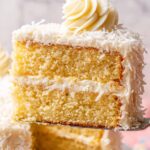
Coconut Cake Recipe with Cream Cheese Frosting Recipe
- Prep Time: 40 minutes
- Cook Time: 40 minutes
- Total Time: 1 hour 20 minutes
- Yield: 16 servings
- Category: Dessert
- Method: Baking
- Cuisine: American
Description
A classic coconut cake recipe featuring moist layers infused with coconut flavor, topped with a creamy cream cheese frosting, and finished with sweetened flaked coconut for a luscious tropical dessert perfect for any occasion.
Ingredients
Cake:
- 4 large egg whites room temperature
- 1 cup buttermilk room temperature
- 1 teaspoon baking soda
- 1⅓ cups sweetened flaked coconut (120g), loosely packed
- 2 cups cake flour (260g)
- 2 tablespoons powdered milk
- 2 cups granulated sugar (400g)
- ¾ teaspoon salt
- 1 cup unsalted butter room temperature
- 5 large egg yolks room temperature
- 1 tablespoon vanilla bean paste
- 1½ teaspoons coconut extract
Frosting:
- 8 ounces cream cheese cold and cubed
- ½ cup salted butter softened
- 5 cups powdered sugar
- ¼ cup heavy cream (60mL)
- 1 tablespoon vanilla extract
- 1½ teaspoons coconut extract
- 1 to 2 cups sweetened flaked coconut
Instructions
- Preheat and Prepare Pans: Preheat the oven to 350°F and grease two 9-inch cake pans with cake goop or line the bottoms with parchment paper and coat with nonstick spray for easy release.
- Beat Egg Whites: Add the 4 large egg whites to a stand mixer fitted with a whisk attachment and beat on speed 4 for 2 minutes, then increase to speed 6 until stiff peaks form, about 1 additional minute. Transfer egg whites to a small bowl and set aside.
- Mix Buttermilk and Baking Soda: In a small bowl or measuring cup, combine the 1 cup buttermilk and 1 teaspoon baking soda; set aside to react.
- Process Coconut: Pulse 1⅓ cups sweetened flaked coconut in a food processor until fine to incorporate into the batter more evenly.
- Combine Dry Ingredients: Add the processed coconut to the now empty stand mixer bowl along with 2 cups cake flour, 2 cups granulated sugar, 2 tablespoons powdered milk, and ¾ teaspoon salt. Mix to combine thoroughly.
- Add Butter and Mix: Add the softened 1 cup unsalted butter and mix until the mixture is sandy in texture. Scrape down the bowl sides if needed.
- Add Yolks and Flavors: Beat in the 5 large egg yolks, 1 tablespoon vanilla bean paste, and 1½ teaspoons coconut extract until well combined and smooth.
- Incorporate Buttermilk: Beat the buttermilk and baking soda mixture in three additions until fully combined, scraping down the sides as needed to ensure even mixing.
- Fold in Egg Whites: Gently fold the stiff egg whites into the batter until well incorporated without deflating the airiness.
- Divide and Bake: Evenly divide the batter between the two prepared pans (about 720g each) and bake for 40 minutes or until a toothpick inserted in the center comes out clean.
- Cool Cakes: Remove from oven and let cakes cool in their pans for 5 minutes before transferring to a cooling rack until almost completely cool. For best results, wrap the cakes in double layers of plastic wrap while still slightly warm and store at room temperature overnight to enhance moistness.
- Prepare Frosting: When ready to frost, beat 8 ounces cold cream cheese and ½ cup softened salted butter in a large bowl or stand mixer fitted with a paddle attachment on medium-high speed until smooth and fluffy.
- Add Sugar and Cream: Gradually add 5 cups powdered sugar, alternating with ¼ cup heavy cream, stopping as needed until the desired consistency is reached.
- Flavor Frosting: Beat in 1 tablespoon vanilla extract and 1½ teaspoons coconut extract on high speed for 2 to 3 minutes until light and fluffy. Adjust with more sugar or cream if necessary.
- Assemble Cake: Place one cake layer on a plate or cake stand and spread frosting evenly over the top to the edges.
- Add Second Layer and Frost: Place the second cake layer on top and spread frosting evenly over the top and sides of the cake.
- Decorate with Coconut: Gently press 1 to 2 cups sweetened flaked coconut onto the sides and top of the frosted cake. Optionally, process coconut for shorter strands before applying. Pipe decorative frosting around the top and base if desired.
Notes
- For best cake texture, use ingredients at room temperature to ensure proper mixing.
- Wrap and store cakes overnight for improved moistness and easier frosting application.
- Use cake goop or nonstick spray combined with parchment paper to prevent sticking and make cake removal easier.
- If you prefer less sweet frosting, reduce the powdered sugar slightly and adjust cream to maintain consistency.
- Ensure stiff egg whites are folded in gently to maintain the light texture of the cake.
- Vanilla bean paste adds a richer vanilla flavor but can be substituted with pure vanilla extract if unavailable.
- Processing the coconut finely helps distribute the flavor evenly within the cake layers and for decoration.
Nutrition
- Serving Size: 1 slice
- Calories: 350 kcal
- Sugar: 32 g
- Sodium: 180 mg
- Fat: 18 g
- Saturated Fat: 10 g
- Unsaturated Fat: 7 g
- Trans Fat: 0 g
- Carbohydrates: 40 g
- Fiber: 1 g
- Protein: 5 g
- Cholesterol: 90 mg