Braised Pork Shoulder with Apples Recipe
If you’re looking for a comforting, soul-soothing dish that feels both homey and a little bit fancy, this Braised Pork Shoulder with Apples Recipe is absolutely where it’s at. Trust me, once you get a whiff of those tender pork chunks mingling with sweet and tart apples, fresh herbs, and a rich sauce, you’ll want to make this over and over. It’s the kind of recipe that fills your kitchen with warmth and invites everyone back for seconds without even asking.
Why This Recipe Works
- Balance of Flavors: The pork’s richness melds beautifully with the tart sweetness of Granny Smith apples and the earthy aroma of fresh herbs.
- Slow Braising Magic: Cooking the pork shoulder low and slow breaks down tough fibers for melt-in-your-mouth tenderness.
- Layered Aromatics: Onions, garlic, white wine, and smoked paprika create a complex base that enhances every bite.
- Versatile and Cozy: This recipe is perfect for weeknight dinners or when you want to impress with minimal effort.

Ingredients & Why They Work
Every ingredient in the Braised Pork Shoulder with Apples Recipe has its own job, but together they create something truly special. Whether you’re picking the perfect pork shoulder at the butcher or choosing the crispest Granny Smith apples, these details make all the difference.
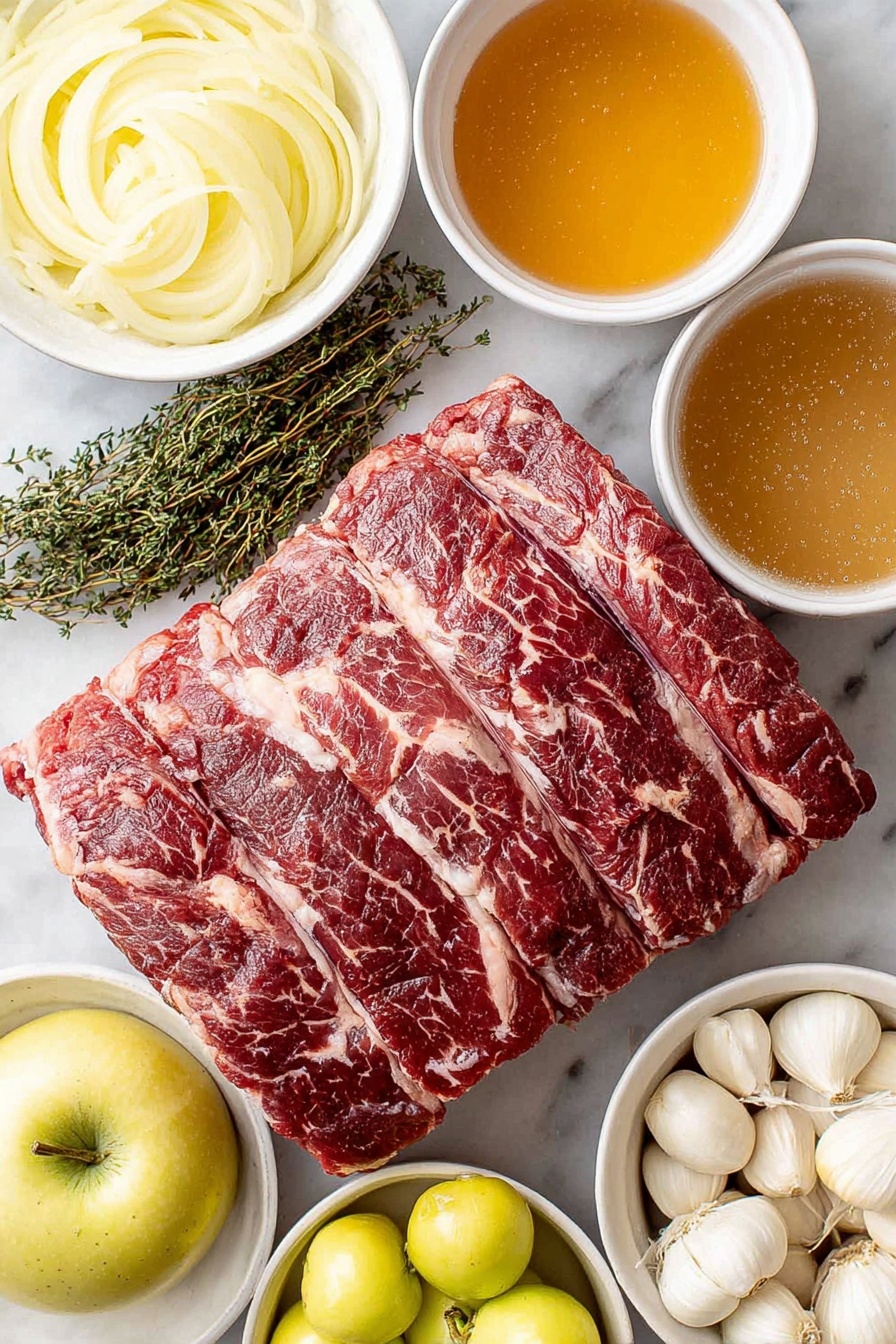
- Pork shoulder: Look for a cut with good marbling — that fat makes the meat juicy and flavorful once braised.
- Kosher salt and black pepper: Simple seasoning to enhance the pork’s natural taste.
- Olive oil: For browning the pork and softening the onions, leading to deep, rich flavors.
- Yellow onions: Thinly sliced for sweetness and a tender texture that melts into the sauce.
- Garlic: Adds an aromatic punch that complements the pork and apples beautifully.
- Dry white wine: Perfect for deglazing the pot, lifting those delicious browned bits off the bottom.
- Fresh thyme and rosemary: These herbs introduce an earthy, woodsy aroma that pairs perfectly with pork and apples.
- Smoked paprika: Gives a subtle smoky depth without overpowering the dish.
- Apple cider: Not vinegar! It brings natural sweetness and acidity, balancing richness.
- Chicken broth: Adds savory body to the braising liquid.
- Bay leaves: Infuse gentle herbal notes that round out the flavor.
- Granny Smith apples: Their tartness keeps the dish bright and fresh, plus they hold up well when cooked.
Tweak to Your Taste
One of the things I love most about this Braised Pork Shoulder with Apples Recipe is how easy it is to make it your own. Experimenting with herbs or the sweetness level of your apples can really make your version shine and keep the recipe fresh every time you make it.
- Herb swaps: I’ve tried sage instead of rosemary once, and it gave a beautiful earthy twist — perfect for autumn dinners.
- Apple varieties: You can mix Granny Smith for tartness with Fuji apples if you want a little sweeter balance.
- Adding spice: If you like a bit of heat, a pinch of crushed red pepper flakes added during the onion sauté turns up the warmth just right.
- Wine swap: If you don’t have white wine, dry apple cider works well for deglazing too, making the sauce even fruitier.
Step-by-Step: How I Make Braised Pork Shoulder with Apples Recipe
Step 1: Get your pork ready and brown it well
Pat your pork shoulder dry with paper towels — this helps get a better sear. Season generously with kosher salt and black pepper all over. Heat olive oil in a large, oven-safe Dutch oven on medium-high heat. This is where patience pays off: brown the pork shoulder on all sides for about 5 minutes each, until you get that gorgeous golden crust. Don’t rush this! The browning builds the deep flavor foundation your dish needs.
Step 2: Sauté onions and garlic, then deglaze
Remove the browned pork and set it aside. Add sliced onions to the pot and cook them over medium heat for about 4 to 5 minutes until they soften but aren’t browned. Toss in minced garlic and stir for just 20 seconds until fragrant. Pour in white wine to deglaze, scraping up every bit of those flavorful browned bits from the pot’s bottom — that’s where your flavor is hiding!
Step 3: Add herbs, liquids, and start the braise
Add fresh thyme, rosemary, and smoked paprika to the pot and stir to combine all those flavors. Nestle the pork shoulder back in. Then pour in the apple cider and low sodium chicken broth, add bay leaves, and bring the whole pot to a boil on the stovetop before covering with a tight-fitting lid and transferring it to the oven.
Step 4: Slow cook low and slow
Reduce the oven to 350˚F and let your pork braise for about 2 hours. This slow cooking softens the connective tissue and fat, yielding that fall-apart tender texture we all want. After 2 hours, add the quartered Granny Smith apples, recover, and continue cooking another 30 minutes or until the pork reaches at least 145˚F—but honestly, I aim closer to 170˚F or higher for ultimate tenderness.
Step 5: Rest and reduce sauce
Remove the pot from the oven and transfer the pork to a cutting board to rest for 10 minutes — this step locks in the juices so every bite is juicy and rich. Meanwhile, bring the braising liquid to a boil on the stove and reduce it for a few minutes to thicken, concentrating those amazing flavors into a luscious sauce you’ll want to drizzle over everything.
Step 6: Slice, serve, and enjoy
Slice your pork shoulder into hearty portions, pile on onions and apples, and spoon over that gorgeous reduced sauce. Trust me — this dish is worth every minute of patience and prep.
Pro Tips for Making Braised Pork Shoulder with Apples Recipe
- Don’t skip browning: I’ve learned that a well-browned pork shoulder adds a rich depth of flavor you just can’t fake with spices alone.
- Use fresh herbs when possible: Fresh thyme and rosemary give a brightness and liveliness that dried herbs sometimes can’t match.
- Watch your apples: Add them in at the end so they keep their shape and offer a nice textural contrast instead of turning to mush.
- Rest your meat: I can’t stress this enough — slicing too soon means losing those precious juices, so always give it 10 minutes.
How to Serve Braised Pork Shoulder with Apples Recipe
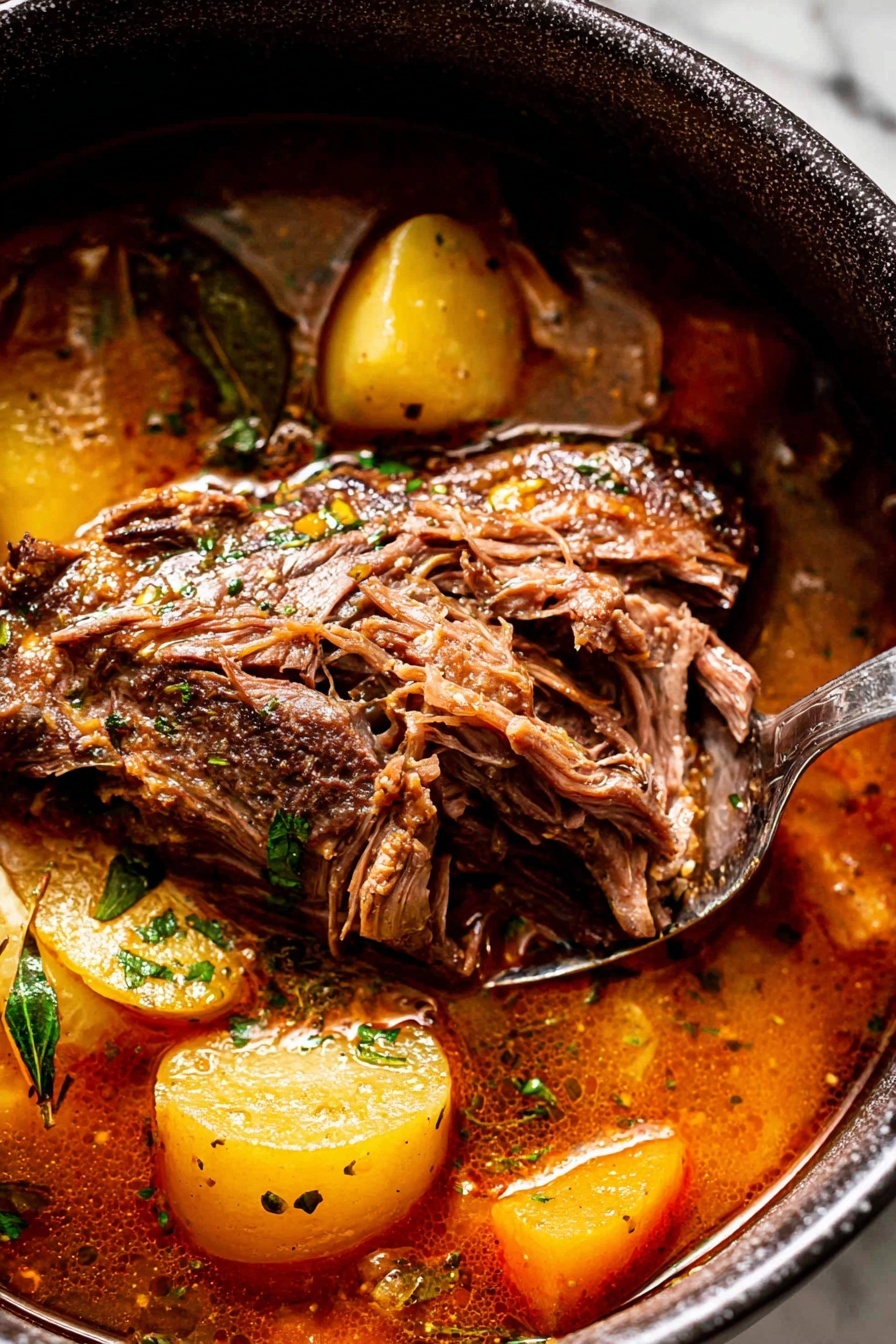
Garnishes
I love sprinkling some fresh thyme leaves on top right before serving—it adds that lovely herbal pop and makes the plate look like you really did put in effort! A tiny drizzle of good quality olive oil or a few crunchy toasted walnuts scattered around is my personal touch for extra texture and shine.
Side Dishes
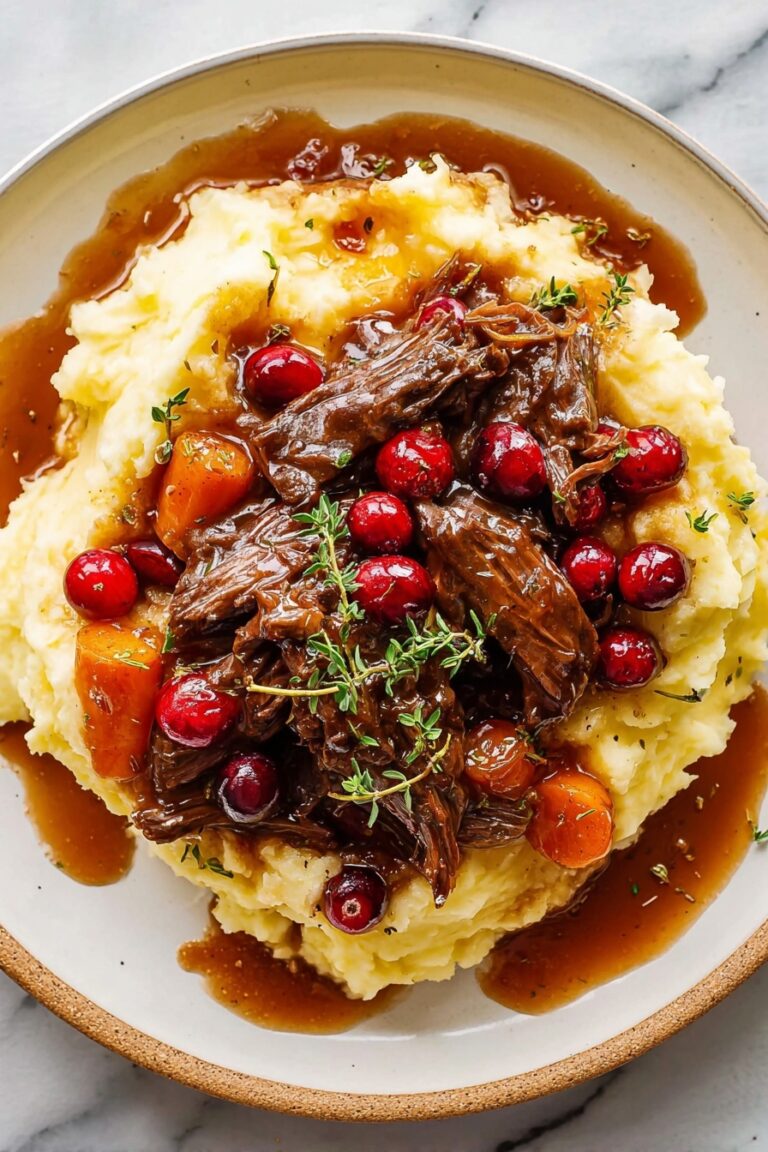
This recipe shines served over creamy mashed potatoes or buttery egg noodles that soak up the luscious apple and herb sauce. For veggies, I usually roast Brussels sprouts or steam green beans with a squeeze of lemon—it cuts through the richness perfectly and adds balance.
Creative Ways to Present
For gatherings, I’ve tried serving the pork sliced on a large wooden board with apples and onions piled artfully around, garnished with rosemary sprigs. It feels rustic and inviting. You could also turn it into a cozy platter alongside crusty bread and a cheese board for a unique comfort food feast.
Make Ahead and Storage
Storing Leftovers
I always store leftover braised pork shoulder in an airtight container in the fridge. The flavors actually develop even more overnight! Just be sure to keep the sauce separate or together — both work — but if combined, the pork stays wonderfully moist.
Freezing
This recipe freezes like a dream. I let everything cool completely, then portion it out into freezer-safe containers or heavy-duty zip bags. When you thaw, it’s still juicy and flavorful, almost as good as fresh. Perfect for busy weeks!
Reheating
To reheat, I gently warm the pork with sauce on the stove over low heat, covered, stirring occasionally to keep it juicy. You can also reheat in the oven at 300˚F wrapped in foil — just don’t overdo it or the pork will dry out. Adding a splash of broth or apple cider helps keep things moist.
FAQs
-
Can I make this Braised Pork Shoulder with Apples Recipe in a slow cooker?
Absolutely! After browning the pork and sautéing the onions and garlic, transfer everything to your slow cooker with the liquids and herbs. Cook on low for 6 to 8 hours until tender, then add the apples in the last 30 minutes. Just remember you won’t get quite the same depth of flavor from deglazing on the stove, but it’s still fantastic.
-
What if I don’t have a Dutch oven?
You can use any oven-safe heavy pot with a lid, like a heavy casserole dish or cast iron pan. If your lid isn’t tight-fitting, just cover the pot tightly with foil before placing it in the oven to keep moisture sealed in.
-
Can I use apple cider vinegar instead of apple cider?
It’s best to avoid vinegar here since it’s much more acidic and could overpower the dish. The recipe calls for apple cider, which is the sweet, non-alcoholic juice—not vinegar. If you want some tang, a splash of fresh lemon juice at the end can brighten the flavors nicely.
-
How do I know when the pork is done?
Use a meat thermometer to check the internal temperature. For braised pork shoulder, 170˚F to 190˚F is a great range where the meat becomes tender yet still sliceable. If you want pulled pork texture, aim for closer to 205˚F. Regardless, always let the meat rest before slicing.
Final Thoughts
Making this Braised Pork Shoulder with Apples Recipe always feels like coming home to something delicious and familiar, yet a little special. It’s the kind of dish that invites cozy nights and long conversations around the table. If you try it once, I guarantee it’ll become one of your go-to comfort meals — a little piece of comfort cooked low and slow, wrapped in apples and herbs. You’re going to love it, and more importantly, so will everyone lucky enough to share it with you.
Print
Braised Pork Shoulder with Apples Recipe
- Prep Time: 20 minutes
- Cook Time: 2 hours 30 minutes
- Total Time: 3 hours
- Yield: 6 servings
- Category: Main Course
- Method: Braising
- Cuisine: American
Description
A flavorful braised pork shoulder recipe featuring a rich sauce made with apple cider, herbs, and aromatic vegetables. This dish is perfect for a comforting main course that combines tender pork with the subtle sweetness of apples and the warmth of smoked paprika.
Ingredients
Meat
- 3 pounds pork shoulder roast
Seasoning
- Kosher salt and fresh ground black pepper, to taste
- 1 teaspoon smoked paprika
Cooking Ingredients
- 2 tablespoons olive oil
- 4 yellow onions, thinly sliced
- 6 cloves garlic, minced
- ¼ cup dry white wine
- 1 tablespoon fresh thyme, or 1 teaspoon dried thyme
- 1 tablespoon fresh chopped rosemary leaves, or 1 teaspoon dried rosemary
- 1½ cups apple cider (not apple cider vinegar)
- 1½ cups low sodium chicken broth
- 2 bay leaves
- 2 granny smith apples, cored and quartered
Instructions
- Preheat and Season: Preheat the oven to 400˚F. Pat dry the pork shoulder with paper towels and season generously on all sides with kosher salt and black pepper.
- Sear the Pork: Heat olive oil in a large oven-safe Dutch oven over medium-high heat. Add the pork and brown on all sides, about 5 minutes per side, until a rich crust forms. Remove the pork and set aside.
- Sauté Onions and Garlic: Add the sliced onions to the pot and cook over medium heat for 4 to 5 minutes until softened, stirring frequently. Add the garlic and cook for 20 seconds until fragrant.
- Deglaze and Add Herbs: Pour in the dry white wine to deglaze the pot, scraping up all the browned bits from the bottom. Stir in thyme, rosemary, and smoked paprika.
- Add Liquids and Pork: Return the pork to the pot. Add apple cider, low sodium chicken broth, and bay leaves. Bring the mixture to a boil.
- Braise in Oven: Cover the pot with a tight-fitting lid and transfer it to the oven. Reduce oven temperature to 350˚F and cook for 2 hours.
- Add Apples and Continue Cooking: Remove the lid and add the quartered granny smith apples to the pot. Cover again and cook for 30 more minutes, until pork reaches an internal temperature between 145˚F and 200˚F, aiming for tender texture.
- Rest Pork: Remove the pot from the oven and transfer the pork to a cutting board. Let it rest for 10 minutes to allow juices to redistribute.
- Reduce Sauce: Place the pot back on the stovetop over high heat. Bring the sauce to a boil and cook for a few minutes until slightly thickened.
- Serve: Slice the pork and serve with the reduced sauce, cooked onions, and apples.
Notes
- Choosing the Pork: Select a pork shoulder with good marbling for optimal tenderness and flavor.
- Browning is Key: Take your time to brown the pork thoroughly to develop a rich color and deeper flavor.
- Deglazing the Pot: Scrape all browned bits from the pot after adding wine to enhance the sauce’s flavor.
- Internal Temperature: For tender braised pork shoulder, cook to about 170˚F to 190˚F; for pulled pork texture, cook up to 205˚F.
- Resting Time: Resting the meat after cooking ensures juicy, evenly distributed flavors.
- Strain the Sauce: For a smoother sauce, strain after reducing to remove onions and herbs if desired.
- Herbs: Thyme and rosemary work beautifully but feel free to experiment with sage or other herbs.
- Serving Suggestion: Serve over creamy mashed potatoes or buttery egg noodles to soak up the delicious sauce.
Nutrition
- Serving Size: 1 serving
- Calories: 450 kcal
- Sugar: 8 g
- Sodium: 450 mg
- Fat: 30 g
- Saturated Fat: 10 g
- Unsaturated Fat: 17 g
- Trans Fat: 0 g
- Carbohydrates: 15 g
- Fiber: 3 g
- Protein: 35 g
- Cholesterol: 95 mg